Vitamin B or Vitamin C: Which is More Important for Our Health?
The B vitamins and vitamin C are both essential nutrients that play various roles in the healthy functioning of the body. Adequate vitamin intake is crucial for strengthening the immune system, maintaining energy levels, and supporting various biochemical processes. While the B vitamin group encompasses several vitamins that serve different functions, vitamin C, as a powerful antioxidant, plays a prominent role in protecting cells and collagen production.
Choosing between B vitamins and vitamin C is not just about which is “better,” but also about when and why different nutrients are needed. Age, diet, physical activity, and health status all influence which vitamins the body requires. Below, we will examine the characteristics, benefits, and best sources of B vitamins and vitamin C in more detail.
B Vitamins: The Power of the Group
B vitamins form a group that includes eight different vitamins: B1 (thiamine), B2 (riboflavin), B3 (niacin), B5 (pantothenic acid), B6 (pyridoxine), B7 (biotin), B9 (folic acid), and B12 (cobalamin). Each vitamin serves different functions, so the cooperation of the B vitamin complex supports various processes in the body.
Vitamin B1 is important for carbohydrate metabolism and helps the heart and nervous system function properly. Vitamin B2 plays a role in cellular energy production, while vitamin B3 supports the health of the skin, digestive system, and neurological functions. Vitamin B5 is crucial for the metabolism of fats, carbohydrates, and proteins, while vitamin B6 is essential for protein synthesis and the production of neurotransmitters.
Vitamin B7, also known as biotin, is responsible for the health of the skin, hair, and nails, while vitamin B9, or folic acid, is key for cell division and DNA synthesis, especially during pregnancy. Finally, vitamin B12 plays an important role in the formation of red blood cells and the protection of the nervous system.
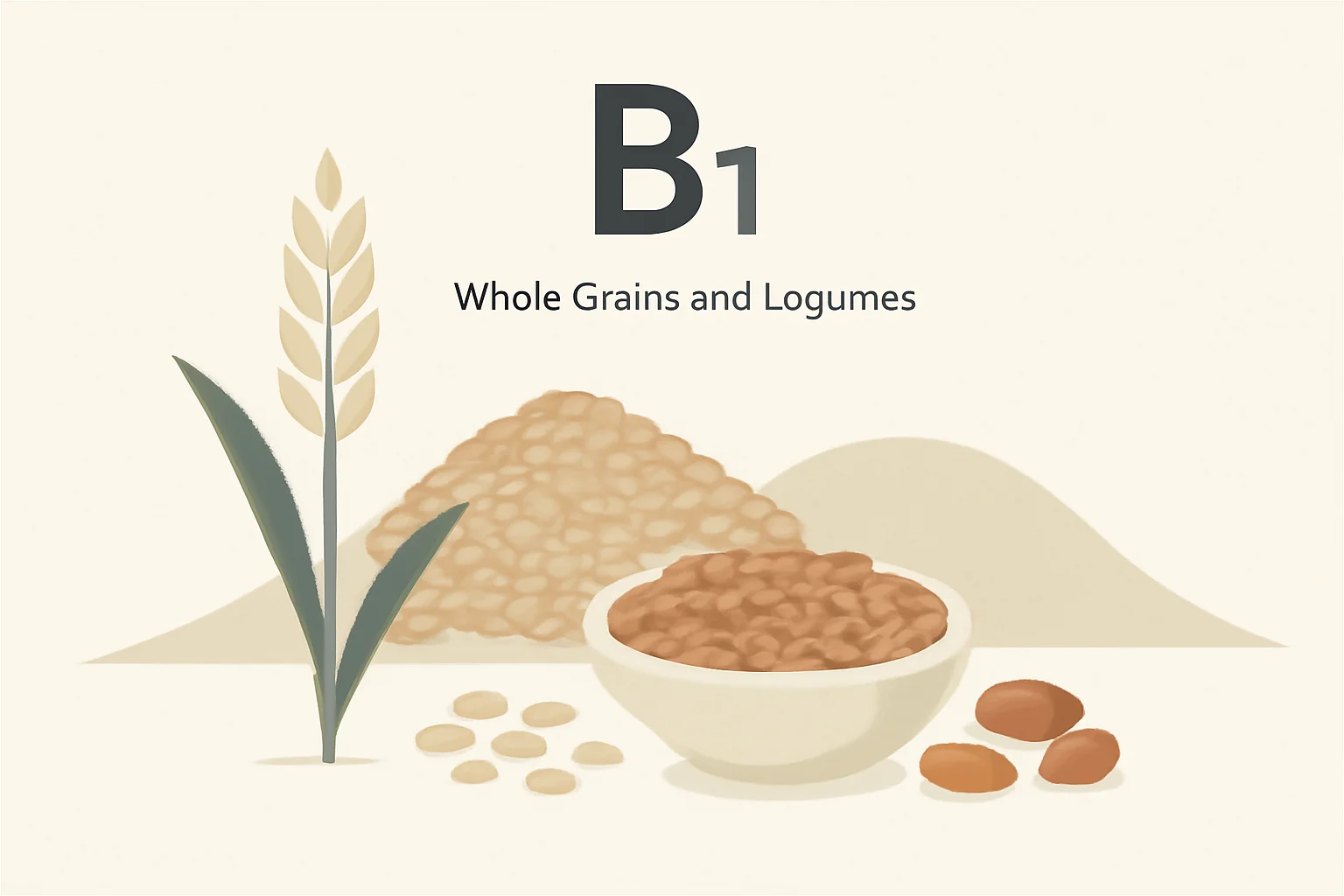
B vitamins are generally found in animal-based foods such as meats, eggs, and dairy products, but leafy green vegetables, legumes, and whole grains can also be rich sources. A balanced diet ensures adequate intake of B vitamins, but in certain situations, such as a vegetarian or vegan diet, it may be worth considering supplements.
Vitamin C: The Antioxidant Superstar
Vitamin C, also known as ascorbic acid, is a water-soluble vitamin with strong antioxidant properties. It helps protect cells from the harmful effects of free radicals, thus contributing to the overall health of the body. Vitamin C also plays an important role in collagen production, which is essential for the health of skin, bones, joints, and connective tissues.
Vitamin C aids in the absorption of iron in the intestines, making it particularly important for vegetarians and vegans, whose iron sources are often plant-based. Additionally, vitamin C supports the immune system by boosting the production of white blood cells that fight infections.
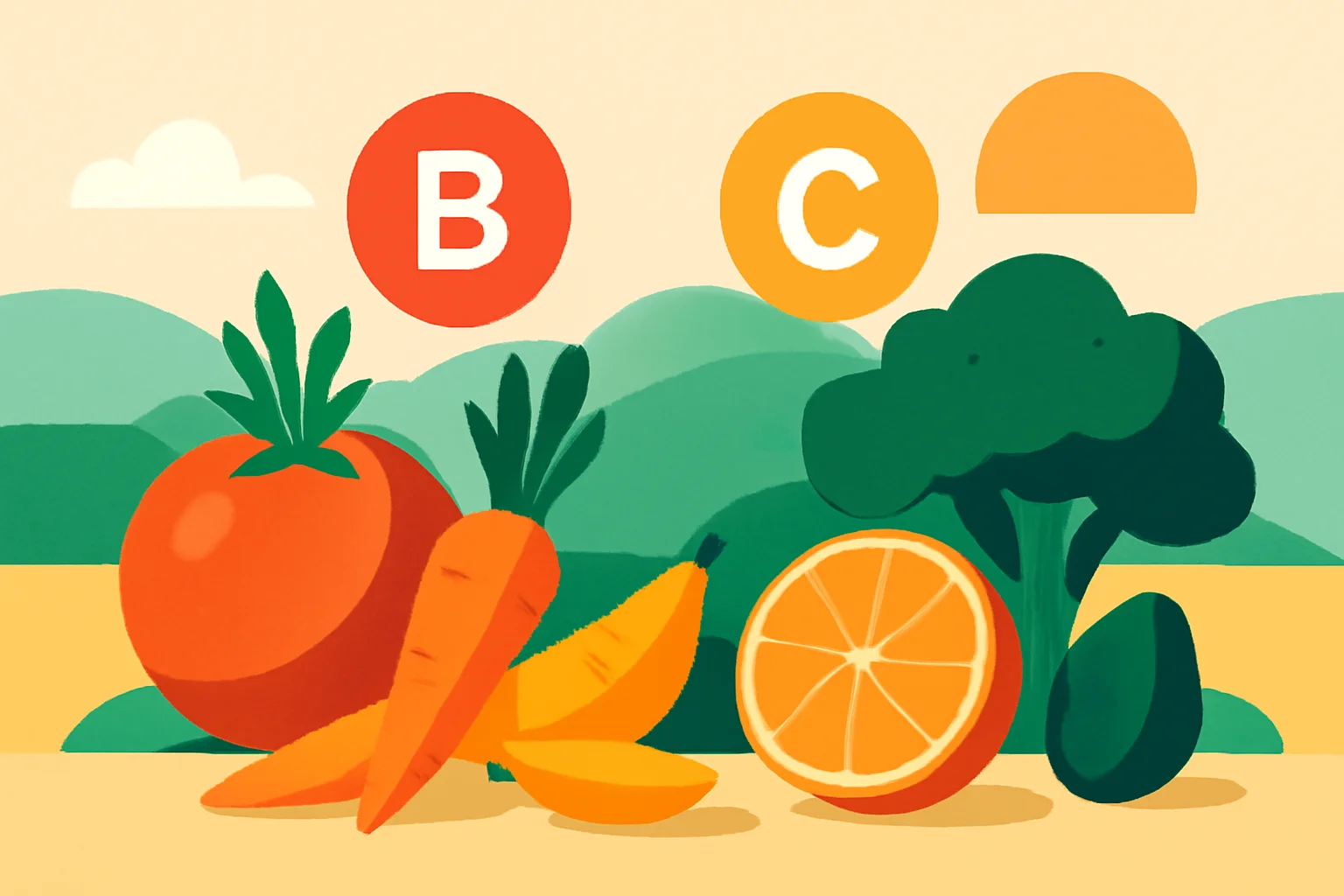
The best sources of vitamin C include citrus fruits like oranges and grapefruits, as well as kiwi, strawberries, bell peppers, and broccoli. The recommended daily intake of vitamin C for adults generally ranges from 75 to 90 mg, but this amount should be increased during physical activity and stressful conditions.
Vitamin C deficiency, which can lead to scurvy, is rare in developed countries, as most people get enough of the vitamin through their daily diet. Vitamin C supplements are widely available, but it is best to obtain vitamins from natural sources.
B Vitamins and Vitamin C: When is Which Best?
Choosing between B vitamins and vitamin C is not always straightforward, as both groups offer different benefits. Which vitamin is needed depends on individual lifestyle, diet, and health status.
If someone feels fatigued, B vitamins, particularly B12 and B6, can help increase energy levels. B vitamins support metabolism and protein synthesis, making them especially useful for those leading an active lifestyle.
In contrast, vitamin C provides protection against stress and environmental effects, so if someone is frequently exposed to colds or other infections, vitamin C may be particularly important. Moreover, vitamin C aids in wound healing and maintaining skin health.
The best approach is to incorporate both B vitamins and vitamin C into our daily diet. A balanced diet rich in vegetables, fruits, whole grains, and animal products ensures adequate amounts of both vitamins.
In some cases, such as during pregnancy or certain illnesses, vitamin supplementation may be necessary based on a doctor’s recommendation. It is always advisable to consult a healthcare professional regarding proper nutrition and optimal levels of vitamin intake.
**Warning:** This article does not constitute medical advice. In case of health problems, please always follow your doctor’s advice!