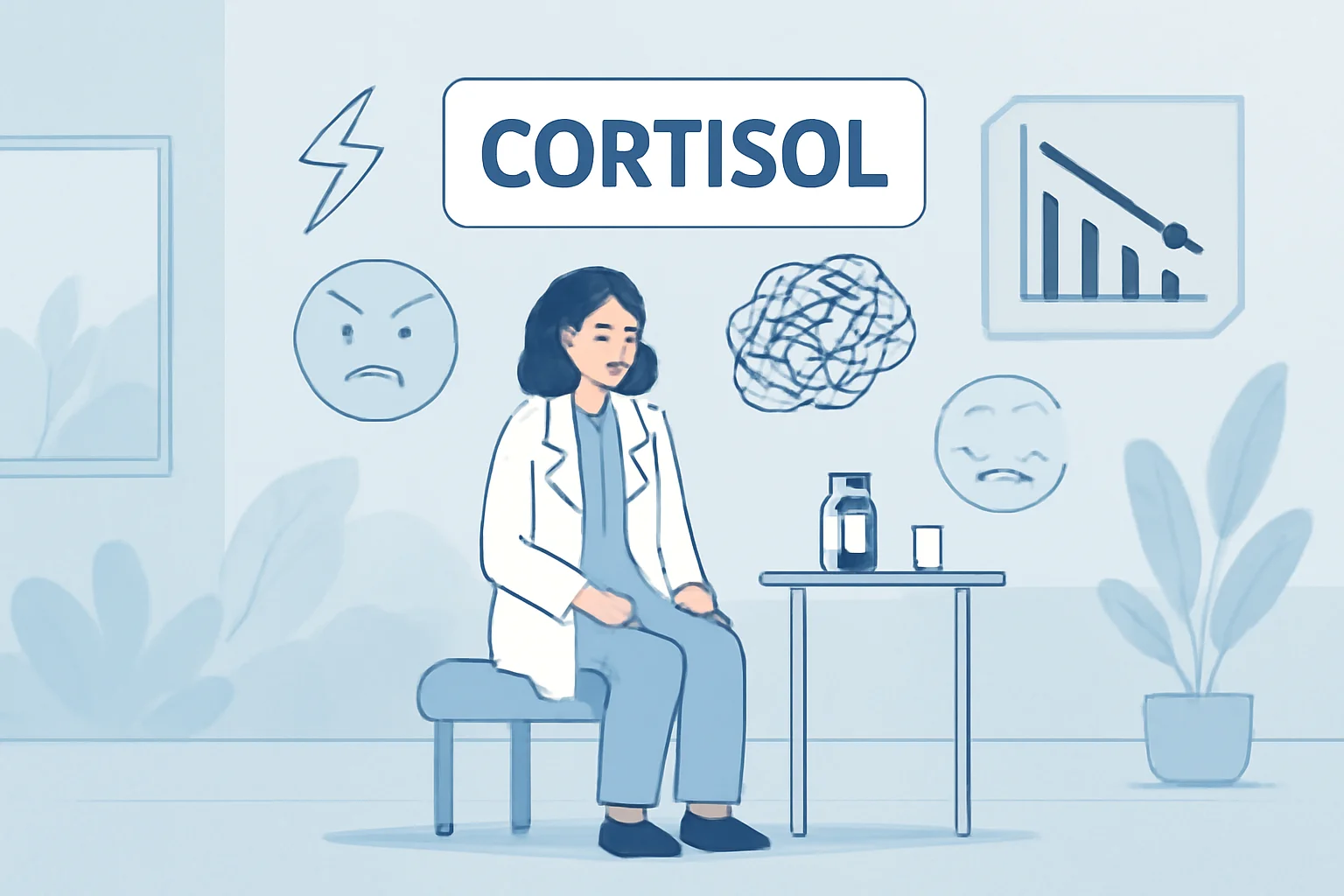
The Symptoms and Effects of High Cortisol Levels on Daily Life
The cortisol, also known as the stress hormone, plays a key role in the functioning of the body. This hormone is produced naturally by the adrenal glands and is important for managing stress responses, metabolism, and reducing inflammation. The cortisol level fluctuates throughout the day, rising in the morning and gradually decreasing as the day progresses. However, if cortisol levels remain persistently high, it can lead to various health problems.
Signs of High Cortisol Levels
The signs of high cortisol levels can vary widely and their perception may change depending on the individual. One of the most common symptoms is chronic fatigue, caused by ongoing stress and hormonal imbalance. Fatigue can manifest not only physically but also mentally, often accompanied by decreased concentration and memory fog.
In addition, high cortisol levels can result in weight gain, particularly around the abdominal area. The hormone makes the body more prone to fat storage, which can lead to obesity in the long term. Moreover, elevated cortisol levels can increase appetite, especially cravings for sugary and fatty foods.
The skin can also react to high cortisol levels. Acne, redness, and other skin problems are common. Cortisol can trigger inflammatory responses, contributing to the deterioration of skin condition. Additionally, the hormone may reduce skin elasticity, leading to premature aging.
High cortisol levels can also affect sleep quality. Many people find it difficult to fall asleep or often wake up during the night, leading to daytime fatigue. Sleep disorders can further exacerbate stress, creating a vicious cycle.
Psychological Symptoms
The psychological symptoms of high cortisol levels are also significant and often overlooked. Stress and anxiety are common companions of elevated cortisol levels. The ongoing tension, pressure, and feelings of anxiety caused by high cortisol levels can have a serious impact on daily life.
Symptoms of depression may also be linked to high cortisol levels. Affected individuals often feel down, lose interest in activities they previously enjoyed, and may lose their zest for life. These psychological effects not only diminish personal quality of life but also adversely affect workplace performance.
High cortisol levels can also impact social relationships. Those affected may be more prone to isolation, as stress and anxiety make it difficult to handle social interactions. This social isolation can further amplify psychological symptoms, worsening the situation.
It is important to note that psychological symptoms often accompany physical symptoms, reinforcing each other. Stress and fatigue, for example, can worsen mood, while psychological problems can exacerbate physical conditions. Therefore, a holistic approach in treatment is essential, considering both physical and mental health.
How to Reduce High Cortisol Levels?
There are several methods to reduce high cortisol levels, many of which can be easily incorporated into daily life. One of the most effective ways to manage stress is through regular exercise. Physical activity not only has a positive effect on reducing cortisol levels but also improves mood by releasing endorphins.
Meditation and breathing exercises can also help reduce stress. These techniques promote relaxation and calmness, which can contribute to normalizing cortisol levels in the long run. Mindfulness techniques, such as practicing present-moment awareness, can also be beneficial.
Proper nutrition plays a key role in maintaining cortisol levels. A healthy, balanced diet rich in vitamins, minerals, and antioxidants can support hormonal balance. Foods high in omega-3 fatty acids, such as fish, nuts, and seeds, can also contribute to stress reduction.
The quality of sleep is also an important factor. Regular, restful sleep helps maintain hormonal balance, stabilizing cortisol levels. It is advisable to pay attention to sleep habits and strive to create a suitable sleeping environment.
Conclusion
The symptoms of high cortisol levels encompass a wide spectrum and can have a serious impact on daily life. Both physical and psychological signs can alert us that our body is under stress, and there is a need for appropriate solutions to reduce cortisol levels.
It is important not to hesitate to seek help when symptoms are noticed, whether it be medical advice or lifestyle changes. A healthy lifestyle, stress management techniques, and proper nutrition can all contribute to normalizing cortisol levels, thereby improving our quality of life.
**Disclaimer:** This article is not considered medical advice, and in the case of health issues, always follow a doctor’s advice.