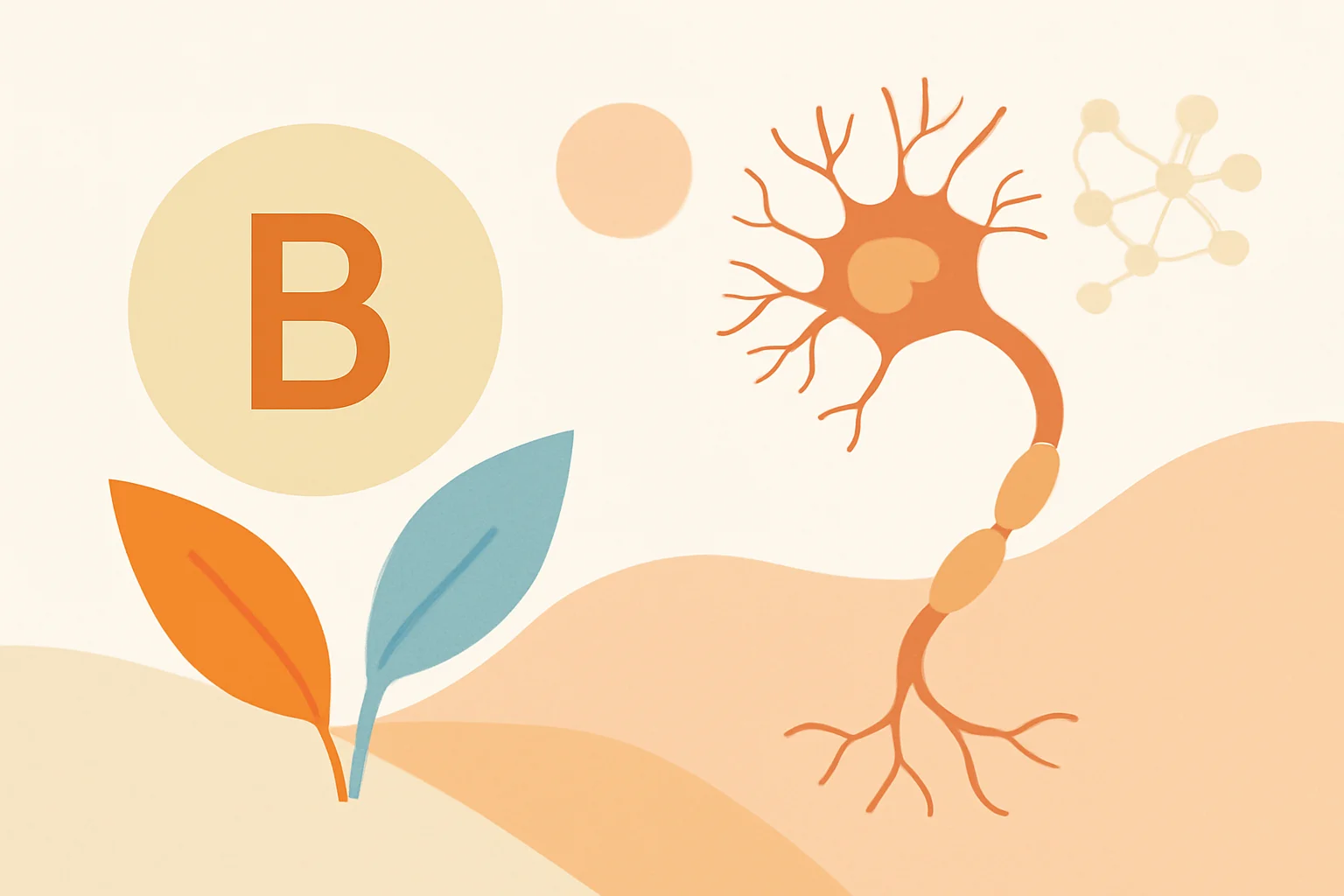
The role of neurorubin and B vitamins in the health of the nervous system
A modern nutrition and health maintenance are increasingly influenced by vitamins and minerals. The B-vitamin complex, which is essential for many important functions in the body, has particularly come into focus. Among the B vitamins, B1, B2, B3, B5, B6, B7, B9, and B12 stand out, each playing a specific role in the body’s functioning. B vitamins contribute to the normal functioning of the nervous system, energy production in cells, and metabolic processes.
The Role of B Vitamins in the Body
The group of B vitamins serves various, distinct yet closely intertwined functions in the body. Each B vitamin plays a different role, but they share a common characteristic of contributing to energy production in cells and the health of the nervous system.
For example, vitamin B1 (thiamine) is important in carbohydrate metabolism, while vitamin B2 (riboflavin) contributes to cellular respiration and antioxidant protection. Vitamin B3 (niacin) helps regulate cholesterol levels and is essential for the health of the skin and nervous system. Vitamin B5 (pantothenic acid) plays a role in the metabolism of fatty acids and assists in hormone production. Vitamin B6 (pyridoxine) is involved in the synthesis of neurotransmitters, while vitamin B7 (biotin) is responsible for the health of hair and skin.
Vitamin B9 (folic acid) plays a role in cell division and DNA synthesis, while vitamin B12 (cobalamin) is essential for the formation of red blood cells and the maintenance of the nervous system. A deficiency in B vitamins can lead to various health issues, such as fatigue, neurological disorders, or even anemia.
These vitamins are water-soluble, meaning the body does not store them, which makes regular intake essential. Sources of B vitamins include whole grains, meats, dairy products, vegetables, and fruits. Maintaining a balanced diet helps ensure the necessary intake of these vitamins; however, many people also seek them in supplement form.
Neurorubin: What It Is and How It Works
Neurorubin is a special dietary supplement that contains certain forms of B vitamins, particularly B1, B6, and B12. It has been specifically developed to protect the nervous system and support neurological functions. The components of neurorubin promote the regeneration of nerve cells, improve communication between neurons, and contribute to enhancing mental performance.
The use of neurorubin is particularly recommended during stressful periods when mental load increases. The role of B vitamins in stress management is significant, as they contribute to the production of neurotransmitters such as serotonin and dopamine. These substances are fundamental in regulating mood and reducing anxiety.
The effects of neurorubin not only positively impact mental performance but also physical condition. By protecting the nervous system, neurorubin can help reduce feelings of fatigue, improve concentration, and enhance overall well-being. Research suggests that adequate intake of B vitamins reduces the risk of neurodegenerative diseases, making regular use of neurorubin potentially beneficial in the long term.
It is important to mention that neurorubin does not replace a balanced diet, and natural intake of vitamins is always preferred. For those with increased needs, such as athletes, dieters, or individuals living a stressful lifestyle, neurorubin can be a useful supplement.
Differences and Similarities Between the Two Substances
Understanding the differences and similarities between neurorubin and B vitamins can help in making informed decisions regarding nutrition and health maintenance. While B vitamins are responsible for numerous distinct functions in the body, neurorubin specifically focuses on supporting the nervous system.
B vitamins have a wide range of effects, and their deficiency can lead to various health problems. In contrast, neurorubin specifically supports the functioning and regeneration of nerve cells, making it recommended in special cases, such as during stressful periods or mental strain.
Natural sources of B vitamins are diverse and easily incorporated into daily diets. In contrast, neurorubin contains the necessary vitamins in a more concentrated form, potentially offering a quicker and more effective solution for those who require higher amounts of B vitamins.
Both options have their advantages, and the best solution may be to use appropriate dietary supplements alongside a balanced diet. When making a decision, it is worth considering individual needs and goals, as well as consulting a professional.
This article does not constitute medical advice. In case of health issues, please consult your doctor or healthcare professional!