The effects of pimiento: health benefits and uses
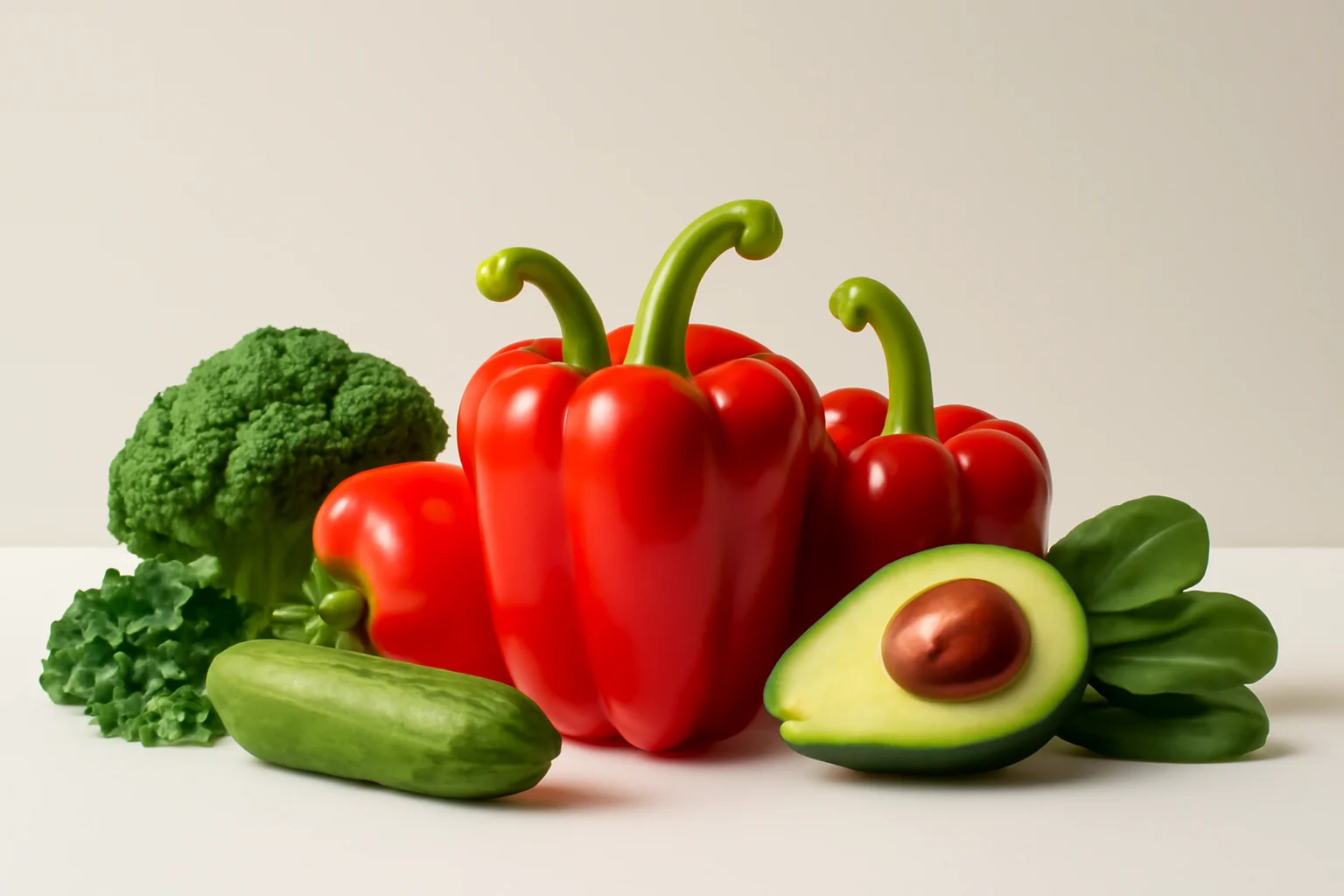
The pimiento, also known as bell pepper, is an incredibly versatile vegetable that impresses not only with its color but also with its taste and health benefits. It is a popular ingredient in many cuisines, consumed fresh, roasted, or even as a pickle. The pimiento not only enhances culinary delights but also contains numerous important nutrients that contribute to the healthy functioning of the body.
The Nutritional Content of Pimiento
Pimiento is rich in various vitamins and minerals, contributing to a healthy diet. It is primarily a source of vitamin C, which is essential for the proper functioning of the immune system. Vitamin C has antioxidant properties, helps neutralize free radicals, and contributes to skin health. Regular consumption may help prevent colds and other respiratory illnesses.
Additionally, pimiento contains vitamin A, which plays an important role in maintaining eye health, as well as improving the condition of the skin and mucous membranes. This vitamin promotes cell regeneration and contributes to a youthful appearance of the skin.
Pimiento is also rich in minerals, such as potassium, which is important for maintaining cardiovascular health. Potassium helps regulate blood pressure, so consuming pimiento may also contribute to reducing the risk of heart diseases. Furthermore, the fiber content of bell peppers is significant, supporting digestive health and helping to maintain the balance of gut flora.
The carotenoids that give pimiento its color, such as lutein and zeaxanthin, are also present. These compounds have antioxidant properties and contribute to maintaining eye health, helping to protect vision from harmful UV rays.
The Health Benefits of Pimiento
Pimiento is not only delicious but also has numerous health benefits. Consuming this antioxidant-rich vegetable contributes to reducing inflammation, which can lower the risk of various chronic diseases, such as diabetes and heart disease.
Regular consumption of bell peppers can also help in controlling body weight. Due to their low calorie content, they can be an excellent choice for those on a diet. The fiber in pimiento helps maintain a feeling of fullness, thereby reducing cravings for snacking.
Pimiento positively affects gut health as well. The fiber it contains stimulates bowel movements, promoting digestion. Therefore, pimiento can be an ideal choice for those looking to improve their digestive processes.
Moreover, consuming pimiento has a positive effect on skin health. The vitamins and antioxidants in it help protect the skin, reduce signs of aging, and improve its appearance. Regular consumption of pimiento can enhance skin hydration and elasticity.
Pimiento also has beneficial effects on respiratory health. The nutrients it contains may help prevent respiratory illnesses and support lung function. Additionally, incorporating bell peppers into meals can enhance overall vitality and energy levels.
Uses in the Kitchen
The versatility of pimiento allows for a variety of uses in the kitchen. Added fresh to salads or stuffed into sandwiches, pimiento can be a tasty and colorful addition to meals. Its sweet, crunchy flavor pairs excellently with other vegetables, such as cucumbers, tomatoes, or onions.
It is also popular when roasted, as its flavor caramelizes, resulting in a uniquely rich and sweet taste. Roasted pimiento can be a perfect side dish for meat dishes, but it also stands out as a standalone dish, such as in a delicious vegetable platter.
Pimiento is also excellent for stuffed dishes. It can be filled with a mixture of rice, meat, or even cheese, and then baked. Stuffed peppers are not only tasty but also visually appealing, making them a great choice for festive meals.
Pimiento can be used to prepare various sauces and purees as well. Pureed pimiento sauce can be a wonderful complement to pasta, meats, or even pizza. The sweet flavor and color of the vegetable enhance dishes.
Pimiento is also popular as a pickle, especially when prepared with other vegetables. Pickled pimiento can add great flavor to salads, sandwiches, or can be enjoyed as a standalone snack.
How to Choose and Store Pimiento
When selecting pimiento, it is important to pay attention to its color and texture. Fresh peppers are brightly colored, have a smooth surface, and a crisp texture. Avoid those with spots or soft areas, as they are no longer fresh. The ripeness of the pimiento is also an important factor; the sweetest flavor is generally found in fully ripe, colorful peppers.
Proper storage of pimiento is crucial for preserving freshness. It is best to store it in a cool, dry place, preferably in the vegetable drawer of the refrigerator. Fresh peppers typically retain their freshness for one to two weeks, but it is advisable to use them as soon as possible to enjoy the best flavor and nutritional content.
If you wish to freeze pimiento, it is recommended to first chop it and blanch it to preserve its color and flavor. Frozen pimiento can later be used in various dishes, such as soups, stews, or pasta.
Thus, pimiento is not only healthy but also a versatile ingredient that can enhance our meals in numerous ways. It is worth incorporating it into our daily diet to take advantage of the beneficial effects it offers.
**Disclaimer:** This article does not constitute medical advice. Always consult your doctor for health issues.