The Beneficial Effects of Mustard on Health and in the Kitchen
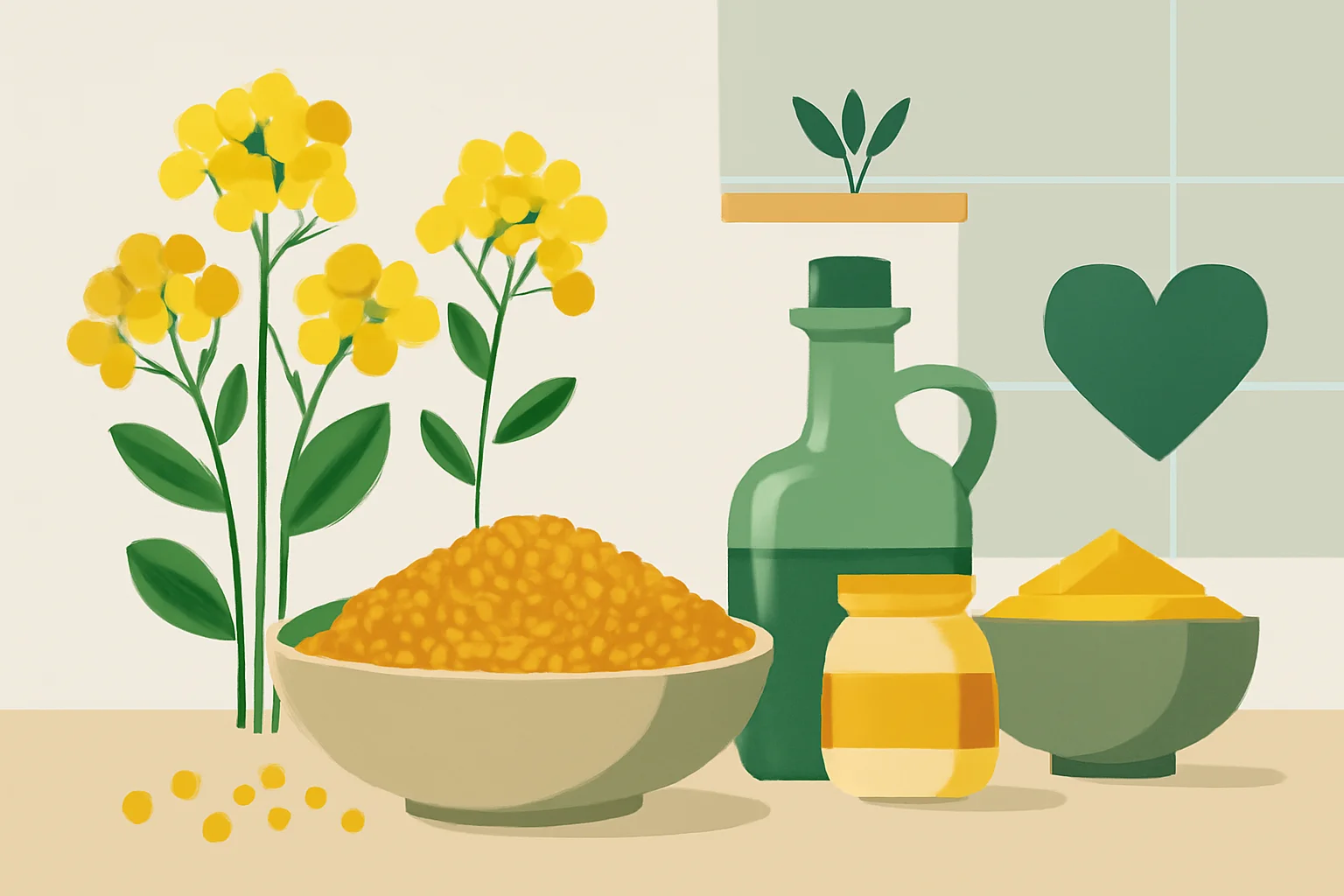
The mustard is a spice that plays a significant role not only in the kitchen but also in the field of healthcare. People have been using it for thousands of years, not only as a flavoring but also for its medicinal properties. Mustard seeds contain various nutrients, minerals, and vitamins that contribute to maintaining the body’s health. Its flavor is distinctive and spicy, making it a great addition to various dishes, whether it’s meats, salads, or sauces.
The beneficial effects of mustard include its anti-inflammatory, antioxidant, and immune-boosting properties. The components found in mustard seeds can help prevent cardiovascular problems, normalize bowel function, and even assist in detoxifying the body. As people increasingly make conscious food choices, mustard is not only a delicious addition but also a health-conscious decision.
Below, we present the various beneficial effects of mustard and how we can best utilize it in the kitchen.
Mustard’s Nutritional Content and Health Benefits
The nutritional content of mustard is outstanding, as its seeds are rich in vitamins, minerals, antioxidants, and dietary fibers. Mustard seeds are excellent sources of B vitamins, such as B1, B2, and B6, which play important roles in metabolism and maintaining energy levels. Additionally, the seeds contain significant amounts of vitamin E, which contributes to skin health and supports the immune system.
The minerals found in mustard include magnesium, calcium, phosphorus, and iron, which are essential for the health of bones and teeth, as well as the proper functioning of blood circulation. The antioxidant properties of mustard seeds can help neutralize free radicals, thereby reducing the risk of chronic diseases such as cancer and heart disease.
The anti-inflammatory effects of mustard are also noteworthy. The compounds found in it can reduce inflammation in the body, which can be particularly useful for rheumatic diseases, arthritis, and similar conditions. Furthermore, mustard stimulates digestion, improves gut flora, and can help with bloating and constipation.
Regular consumption of mustard can thus contribute to improving the body’s health and help prevent various diseases. However, it is important to note that mustard does not replace medical treatment, and one should always consult a doctor in case of health issues.
Mustard in the Kitchen: Delicious Recipes and Uses
Mustard is an incredibly versatile spice that pairs well with many dishes. It can be used in salads, marinades, sauces, and even in pâtés. Its flavor and character provide a unique experience when paired correctly with other ingredients.
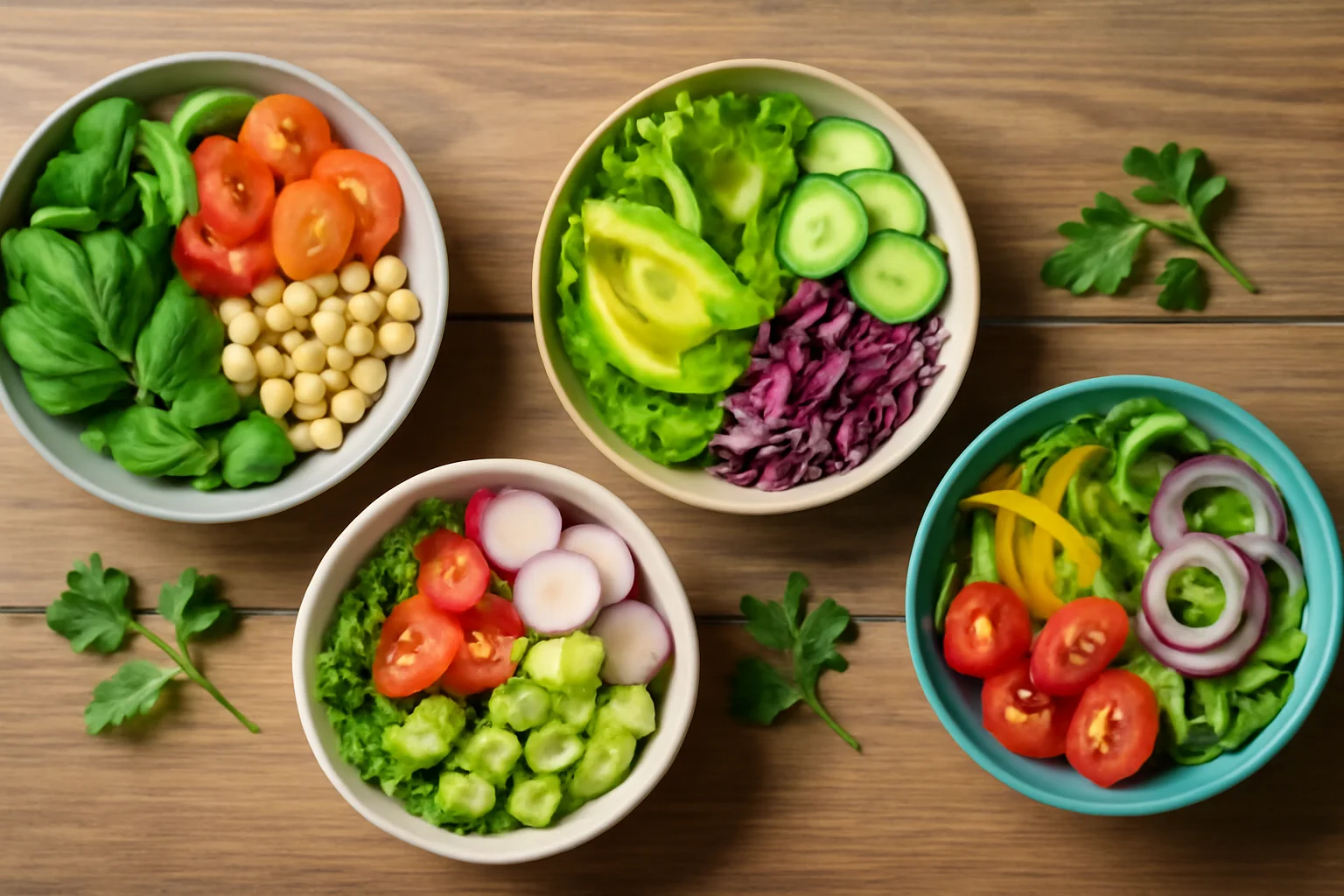
Let’s start with salads! Mustard goes excellently with green salads, especially when making a tasty vinaigrette dressing. Mix olive oil, vinegar, honey, and mustard, then pour it over the vegetables. This combination is not only delicious but also healthy, as mustard stimulates digestion and enhances the salad’s flavor.
Another popular use for mustard is in making marinades. Meats, especially chicken and pork, can be excellently marinated with mustard. Mix mustard, garlic, olive oil, lemon juice, and spices, then marinate the meat for a few hours. Mustard not only flavors the meat but also helps achieve a tender texture.
Mustard also performs well in sauces. For example, you can make a mustard sauce that pairs perfectly with roasted vegetables or meats. Combine mustard with sour cream, a little lemon juice, and spices, then serve it alongside the finished dish. This sauce enhances even simple meals with its zesty flavor.
Thus, mustard can be used in many ways in the kitchen, enriching not only the flavors but also increasing the nutritional content of the dishes. It’s worth experimenting with it to discover new flavors and combinations that can diversify our meals.
Mustard’s Health Effects and Scientific Background
Numerous scientific studies support the various beneficial effects of mustard. The glucosinolates found in mustard seeds, which are compounds characteristic of cruciferous plants, have been shown to protect cells from damage and promote detoxification processes in the body. Research suggests that these compounds may also aid in cancer prevention.
Another important component is mustard oil, which is not only flavorful but also health-beneficial. Due to its anti-inflammatory properties, mustard oil can help reduce pain and positively impact bowel function. Additionally, mustard oil is rich in omega-3 fatty acids, which contribute to cardiovascular health.
Mustard also boosts metabolism, which can help with weight management. The capsaicin found in mustard is a similar compound that stimulates fat burning, thus aiding in weight loss. Regular consumption of mustard can therefore be a simple way to lose weight and maintain a healthy weight.
However, it is important to note that mustard may not be suitable for everyone. Some individuals may be sensitive to mustard and experience allergic reactions. Therefore, it is advisable to gradually introduce it into the diet and monitor the body’s reactions.
Based on these beneficial effects and scientific background, mustard indeed deserves attention as a worthy spice. However, it is essential to emphasize that mustard does not replace medical treatments, and individuals should always consult a doctor in case of health issues.
**Note:** This article does not constitute medical advice. Always follow your doctor’s guidance in case of health problems.