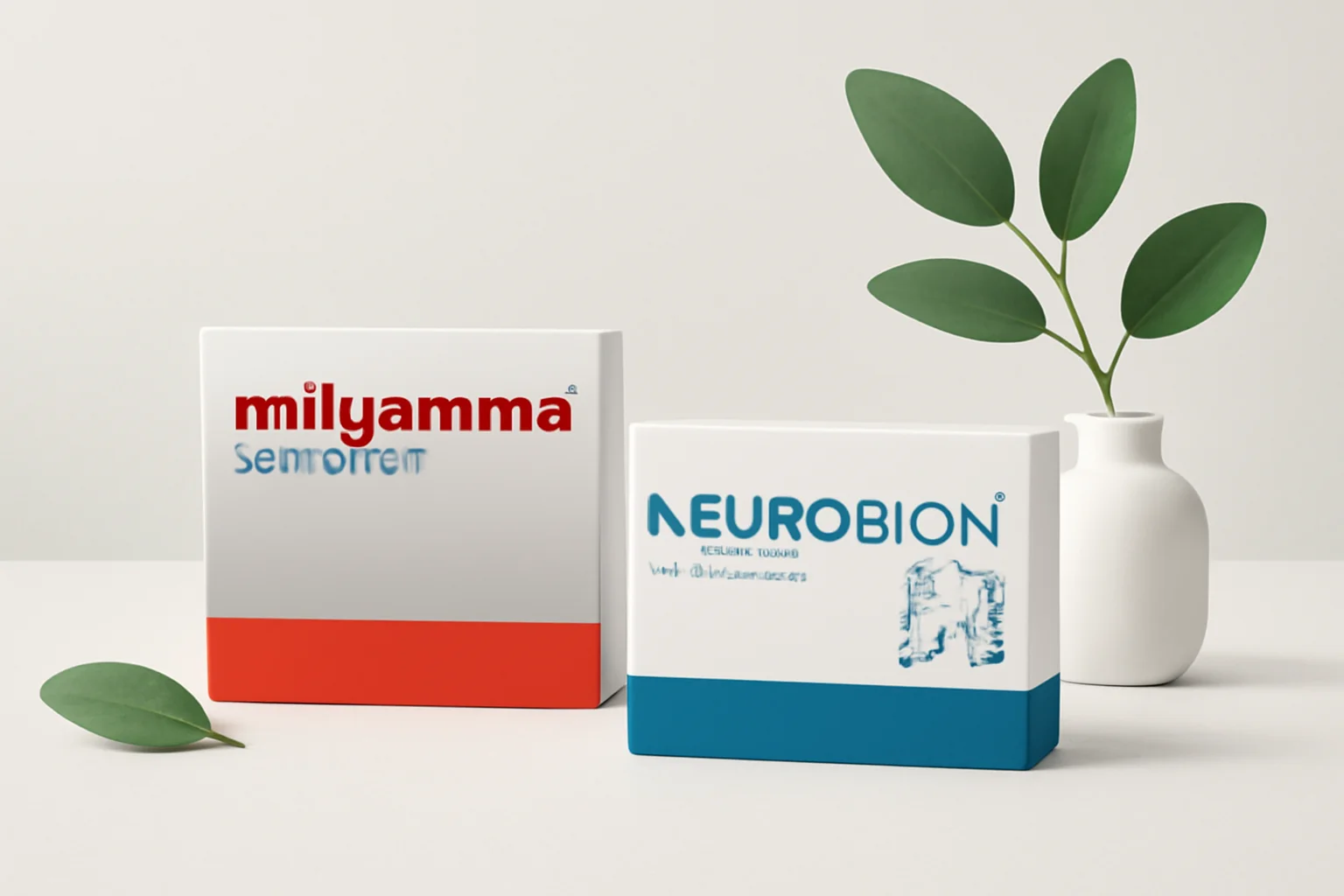
Milgamma and Neurobion: Which is the Better Choice for Nervous System Issues?
A modern medicine increasingly emphasizes the role of vitamins and minerals. B vitamins, in particular, are essential for the normal functioning of the body. Milgamma and Neurobion are preparations specifically designed to supplement B vitamins and are recommended for various health issues. These medications not only help alleviate symptoms of vitamin deficiency but may also play a role in the treatment of neurological problems.
B Vitamin Complex
The B vitamin complex group has many important functions, making adequate intake essential. A deficiency of these vitamins can lead to various health problems, such as fatigue, nerve disorders, or even muscle cramps. Medical literature increasingly emphasizes the role of vitamins in maintaining neurological health, which deserves special attention when using Milgamma and Neurobion.
Forms and Selection
These preparations are available in various forms, such as injections or tablets, and although their purposes are similar, their ingredients and mechanisms of action may differ. When selecting the appropriate preparation, it is essential to consider the individual needs of the patient and the targeted health issue.
Milgamma: Ingredients and Mechanism of Action
Milgamma is a combined vitamin preparation that mainly contains B1 (thiamine), B6 (pyridoxine), and B12 (cobalamin) vitamins from the B vitamin group. Among the B vitamins, all three play key roles in the body’s metabolism and nervous system function.
Vitamin B1 contributes to the normal functioning of the nervous system, stimulates metabolism, and helps convert carbohydrates into energy. Vitamin B6 is important in the synthesis of neurotransmitters, which are involved in communication between nerve cells. Vitamin B12 is essential for blood formation and the healthy functioning of cells.
Milgamma is also available in injectable form, which provides faster absorption and more effective treatment, especially in acute cases. The injection is typically administered at intervals determined by the physician and is used not only for treating vitamin deficiency but also for alleviating nerve pain. Milgamma may be particularly effective for neuropathic pain, as B vitamins help regenerate damaged nerves.
Additionally, it is important to consider potential side effects when using Milgamma. These may include allergic reactions, skin rashes, or digestive disturbances. It is crucial to consult with a physician before using the preparation to avoid unwanted effects.
Neurobion: Ingredients and Applications
Neurobion is also a preparation containing a B vitamin complex, which may include other important components such as folic acid, in addition to B1, B6, and B12 vitamins. The goal of Neurobion is also to treat vitamin deficiencies and alleviate neurological problems.
In addition to B vitamins, the ingredients of Neurobion generally follow the classic structure of vitamin complexes and assist in pain relief as well as neurological rehabilitation. Neurobion is often used for various nerve and muscle pains, as well as the treatment of peripheral neuropathy.
Neurobion is particularly popular among those who perform sedentary work, as prolonged immobility often leads to muscle and nerve pain. The preparation may help reduce pain and improve work capacity.
When using Neurobion, it is essential to pay attention to the correct dosage and potential side effects, such as stomach issues or allergic reactions. Adhering to the dosage recommended by the physician can help avoid unwanted effects and ensure the effectiveness of the preparation.
Comparison of Milgamma and Neurobion
When comparing Milgamma and Neurobion, several aspects should be taken into account, such as the ingredients, mechanisms of action, and areas of application. Both preparations aim to supplement B vitamins, but their components and methods of use may differ.
While Milgamma is primarily available in injectable form, Neurobion is also available in tablet form, which may be more convenient for patients. Injectable preparations generally have a faster effect; however, they may not be suitable for everyone, especially if the patient is averse to injections.
The mechanisms of action may also differ. In addition to B vitamins, Milgamma typically contains other ingredients that can enhance the effects of the vitamins. In contrast, Neurobion contains fewer supplementary substances, but the combination of vitamins can also be effective.
When making a choice, it is important to consider the individual needs of the patient and the physician’s recommendations. One preparation may be better suited for treating certain conditions, while the other may be more advantageous in other cases. Both preparations can effectively support the intake of B vitamins, but it is advisable to seek medical consultation for the appropriate choice.
This article does not constitute medical advice. In case of health issues, everyone should heed the advice of their physician.