How to Get Rid of Acne and Blackheads?
The skin is our largest organ, and its health and appearance are influenced by numerous factors. Skin problems, such as acne and blackheads, are particularly common among young people. These skin blemishes not only cause aesthetic concerns but can also affect our self-esteem, especially during adolescence. The appearance of acne and blackheads is generally associated with the excessive functioning of the skin’s sebaceous glands, clogged pores, and the proliferation of bacteria.
Knowing the differences between acne and blackheads can help in choosing the appropriate treatment. While acne is characterized by inflamed, painful lesions, blackheads are usually non-inflamed and located on the skin’s surface. These differences can be important in developing a skincare routine, as different types of skin blemishes require different treatments. When treating skin problems, it is worth considering skin type, genetic predisposition, and lifestyle habits such as diet and stress levels.
With the right knowledge and information, everyone can find the most suitable solution for treating skin problems, thereby improving the appearance and health of their skin.
Acne: The Inflamed Skin Lesions
Acne, known in dermatology as acne vulgaris, is one of the most common skin problems among young adults. These inflamed lesions develop as a result of the excessive functioning of the sebaceous glands. Due to clogged pores on the skin’s surface, sebum, skin cells, and bacteria accumulate, leading to inflammation.
The most common areas for acne to appear are the face, back, shoulders, and chest. These areas are rich in sebaceous glands, making them more prone to acne formation. The onset of acne usually begins during adolescence but can also occur in adulthood, especially in women due to menstrual cycles, pregnancy, or stress.
Treating acne can often be complicated, as the root of the problem lies in the deeper layers of the skin. Topical treatments, such as benzoyl peroxide or salicylic acid, can help reduce inflammation and clear the pores. Medications prescribed by a dermatologist, such as antibiotics or retinoids, can also be effective in more severe cases.
It is important to pay attention to skincare alongside acne treatment. The use of cleansers and moisturizers can help restore the skin’s balance. Additionally, a proper diet rich in vitamins and minerals can also contribute to skin health.
Blackheads: The Non-Inflamed Skin Blemishes
Blackheads, also known as comedones, are skin blemishes that result from clogged pores but are not in an inflamed form. There are two main types: open and closed blackheads. Open blackheads are located on the skin’s surface and appear dark because the sebum and skin cells oxidize when exposed to air. Closed blackheads, also known as whiteheads, are located beneath the skin and appear white or skin-colored.
The formation of blackheads can be attributed to excessive sebum production, hormonal changes, inadequate skincare, and stress. Blackheads often precede acne, so it is advisable to address them promptly to avoid the appearance of inflamed acne.
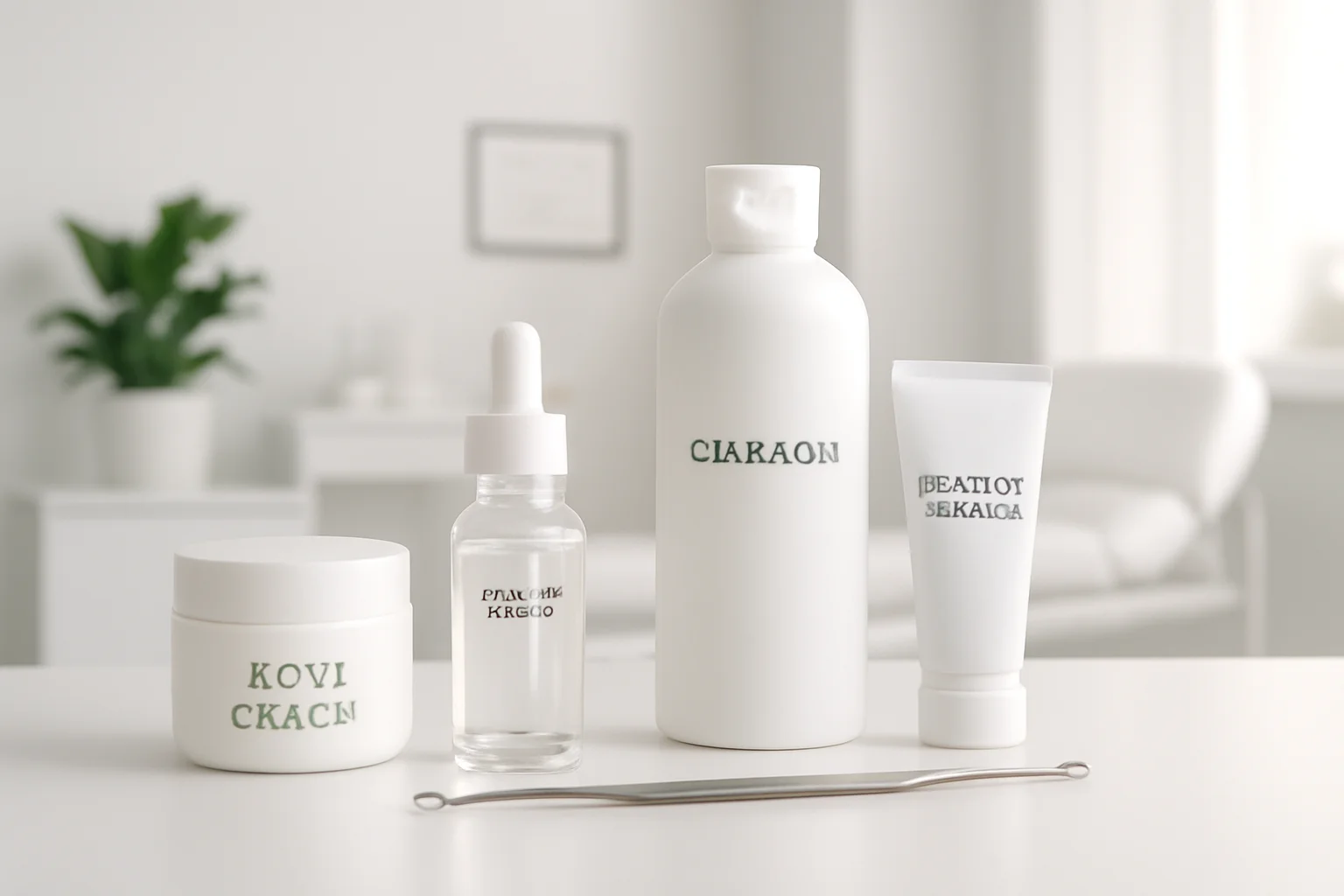
There are several methods for removing blackheads. Cleansers containing salicylic acid can help clear the pores. Exfoliating products, such as fruit acids, can also be effective in preventing blackheads. Additionally, skin-cleansing masks containing activated charcoal or clay can assist in deep cleaning the pores.
It is important not to attempt to remove blackheads at home, as this can lead to skin irritation and inflammation. The best solution is to consult a professional who can assist in the removal of blackheads using appropriate techniques and tools.
Prevention and Skincare
To prevent acne and blackheads, proper skincare is essential. Cleansing the face should be part of a daily routine, as keeping the skin clean helps prevent clogged pores. Use a cleanser that suits your skin type and avoid overly aggressive products that may irritate the skin.
Moisturizing is also crucial, even if you have oily skin. Choose oil-free moisturizers that do not clog the pores. Exfoliation, or the process of sloughing off dead skin cells, can also contribute to skin health by helping to maintain pore cleanliness.
Our diet significantly impacts our skin. The consumption of processed foods, high-sugar items, and dairy products may be linked to the appearance of acne. It is advisable to opt for foods rich in vegetables, fruits, and omega-3 fatty acids, which can help maintain skin health.
Stress management is also important in preventing skin problems. Stress can increase hormonal imbalances that contribute to acne formation. Regular exercise, meditation, and adequate sleep can all help reduce stress.
Note: This article does not constitute medical advice. For health issues, please always consult a doctor.