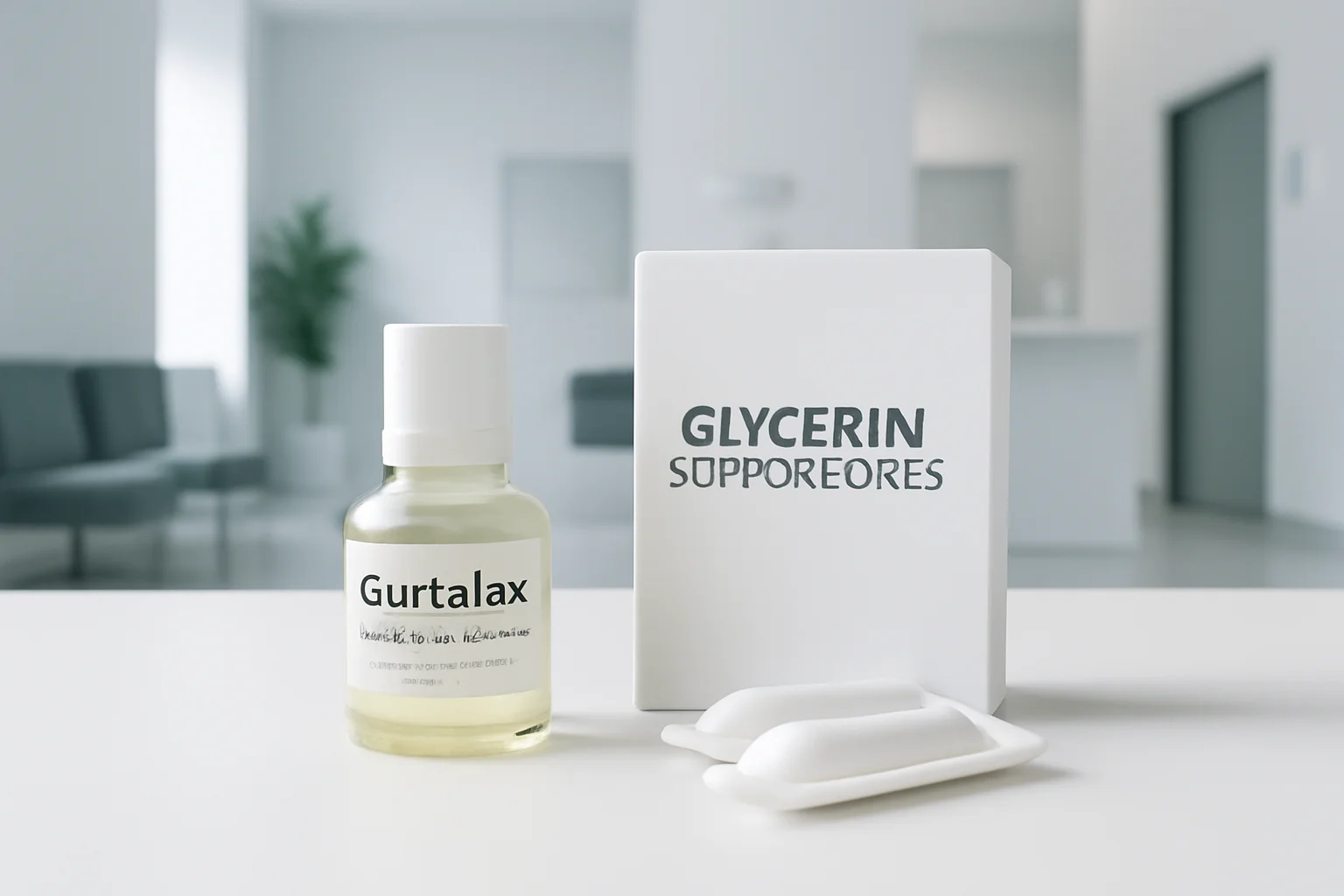
Guttalax or glycerin suppository: Which is the more effective solution?
A constipation is a common problem that complicates the lives of many people. Disruptions in the digestive system, poor nutrition, lack of exercise, and stress can all contribute to infrequent bowel movements or even a complete cessation. Constipation not only causes discomfort but can also lead to more serious health issues in the long run, such as hemorrhoids or bowel disorders. In the search for solutions, many turn to various medications and preparations that can help restore bowel function.
Guttalax: Mechanism of Action and Application
Guttalax is an oral laxative that is typically used for the treatment of constipation. Its main active ingredient is sodium picosulfate, which stimulates bowel movements. The drug’s effect is based on its action on the mucous membrane of the colon, enhancing the absorption of gases and water, thereby facilitating the softening of stool and increasing bowel movements.
Before using Guttalax, it is important to be aware of the correct dosage. The preparation is available in drop form, making it easy to adjust the necessary amount. Generally, it is advisable to consume enough fluids before taking the medication, as water intake enhances the effectiveness of the active ingredient. The effects of Guttalax are usually felt within 6-12 hours, so it is worth taking it in the evening to ease bowel function by morning.
It is important to mention that Guttalax is not recommended for long-term use, as the digestive system can become accustomed to the medication, and natural bowel movements may decrease. Additionally, it can have side effects such as abdominal cramps, diarrhea, or allergic reactions. Therefore, if constipation becomes a regular issue, it is advisable to seek medical advice for further treatment.
The Glycerin Suppository: Advantages and Disadvantages
Glycerin suppositories represent another common solution for treating constipation. These rectally administered preparations are made using glycerin, a natural substance that helps soften stool and stimulate bowel movements. The effect of glycerin suppositories is based on their moisturizing effect on the intestinal mucosa, which aids the easier passage of stool through the digestive tract.
Glycerin suppositories are typically used when a quick solution is needed, such as in urgent situations. Their effects are usually felt within 15-30 minutes, providing rapid relief from the discomfort caused by constipation. Their application is simple and does not require prior fluid intake, which can be a practical solution for many.
Although glycerin suppositories have many advantages, it is important to note that they may not be ideal for everyone. For example, if there is an underlying organic problem causing constipation, glycerin suppositories may not provide sufficient relief. Additionally, like all medications, they can have side effects, such as irritation or discomfort in the rectal area. Those who regularly struggle with constipation are also advised to seek medical advice.
Guttalax or Glycerin Suppository: Which is the Better Choice?
When choosing between Guttalax and glycerin suppositories, several factors should be considered. First, it is important to understand that the two preparations work through different mechanisms. Guttalax is administered orally, while glycerin suppositories have a local, rectal effect. Therefore, it is worth considering what kind of quick solution is needed and how well the patient tolerates each preparation.
The advantage of Guttalax is that it is easy to dose and may be suitable for longer-term use if applied within the recommended guidelines by a doctor. In contrast, glycerin suppositories offer a quick solution but are not suitable for the long-term treatment of constipation.
Personal preferences should also be taken into account when making a choice. Some prefer rectal administration, while others favor oral preparations. Additionally, habits regarding the rhythm of bowel movements can also influence the decision.
Overall, the best solution is to combine the two preparations, taking into consideration the causes of constipation and the individual needs of the patient.
Note: This article does not constitute medical advice. For health issues, everyone should follow their doctor’s recommendations.