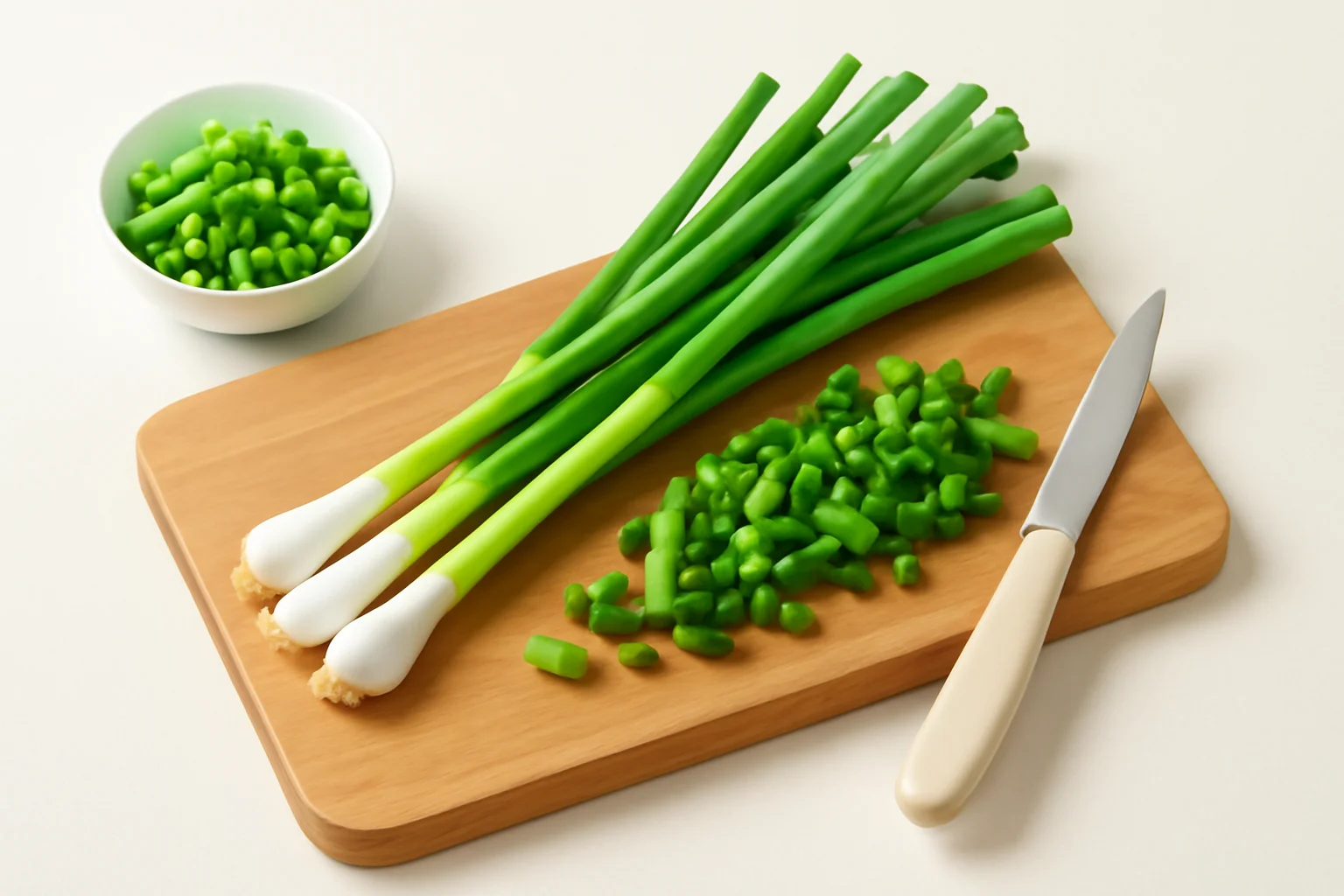
The health effects and beneficial properties of spring onions
The green onion, also known as scallion, is a popular vegetable that belongs to the onion family. In addition to its distinctive flavor and aroma, green onion offers numerous health benefits, making it worthwhile to incorporate it regularly into our diet. Its fresh, crispy texture adds color and taste to dishes, whether in salads, sandwiches, or soups.
Furthermore, green onions are rich in vitamins and minerals, which can contribute to the proper functioning of the body. Among the onion varieties, green onions are particularly beneficial due to their low calorie content and high water content, which can help maintain hydration. They are especially popular in the spring and summer months when the demand for fresh vegetables increases. Due to their health effects and beneficial properties, green onions are increasingly gaining attention not only in kitchens but also in natural medicine.
Nutritional Profile of Green Onions
Green onions are nutrient-dense, making them particularly valuable in everyday nutrition. They are fundamentally low in calories, making them an ideal choice for those who are mindful of their weight. 100 grams of green onions contain only 32 calories, meaning they can be freely consumed in salads, side dishes, or on their own.
Green onions are significant sources of vitamin C, which strengthens the immune system, helps maintain skin health, and provides antioxidant protection against free radicals. They also contain B vitamins, which are important for metabolic processes and the proper functioning of the nervous system.
Moreover, green onions are rich in minerals such as potassium, phosphorus, and calcium. Potassium contributes to maintaining cardiovascular health by helping to regulate blood pressure. Calcium is essential for the health of bones and teeth, especially during periods of growth and development.
Additionally, green onions are abundant in dietary fiber, which aids in maintaining good digestion. Fiber contributes to the health of the gut flora and helps prevent constipation. Regular fiber intake can reduce the risk of various digestive issues, playing an important role in healthy nutrition.
Health Benefits of Green Onions
Green onions have numerous health benefits that can directly contribute to the body’s well-being. One of their most well-known properties is their anti-inflammatory effect. Compounds found in green onions, such as quercetin, may help reduce inflammation, which can be particularly important for chronic conditions like arthritis.
Furthermore, consuming green onions can contribute to maintaining cardiovascular health. The antioxidants and flavonoids they contain help regulate cholesterol levels, which can reduce the risk of heart disease. Thus, regular consumption of green onions can support heart health and help keep blood pressure at a proper level.
Green onions may also aid in regulating blood sugar levels. Some studies suggest that consuming green onions may reduce spikes in blood sugar levels, which can be especially beneficial for diabetics. Additionally, the fiber they contain can assist in slower digestion, which can also contribute to maintaining stable blood sugar levels.
Moreover, green onions have a positive impact on gut health. The prebiotic fibers they contain promote the growth of beneficial gut bacteria, which can improve digestion and strengthen the immune system. A healthy gut flora is essential for proper nutrient absorption and detoxification processes.
The Role of Green Onions in Nutrition
Green onions are a versatile vegetable that can be used in many ways in the kitchen. Their flavor and nutrient content are best enjoyed fresh, so they are worth consuming raw in salads, sandwiches, or as a side dish. The flavor of green onions is mildly sweet and refreshing, which pairs excellently with spring and summer dishes.
Green onions combine well with other vegetables, such as tomatoes, cucumbers, and peppers. Besides salads, they can also be used in soups, such as vegetable soups or cream soups. During cooking, they can retain their aroma and nutrient content, allowing for delicious dishes whether steamed, baked, or grilled.
Another popular way to use them is by adding them to spices and sauces. Chopped green onions are excellent for flavoring various dips, dressings, and marinades. The flavor of green onions pairs particularly well with yogurt-based sauces and fresh herbs.
Storing green onions is also easy, as they can stay fresh for weeks in a cool, dark place. In addition to fresh green onions, the dried form is also popular, although its flavor is not as intense as that of the fresh variety. Dried green onions can be used as a spice in soups, stews, and other dishes.
Finally, green onions are beneficial not only for their flavor and nutrient content but also for the natural compounds they contain, which have positive effects on health. Regular consumption of green onions can contribute to a balanced diet and a healthy lifestyle.
**Note: This article does not constitute medical advice. Always consult a doctor for health issues!**