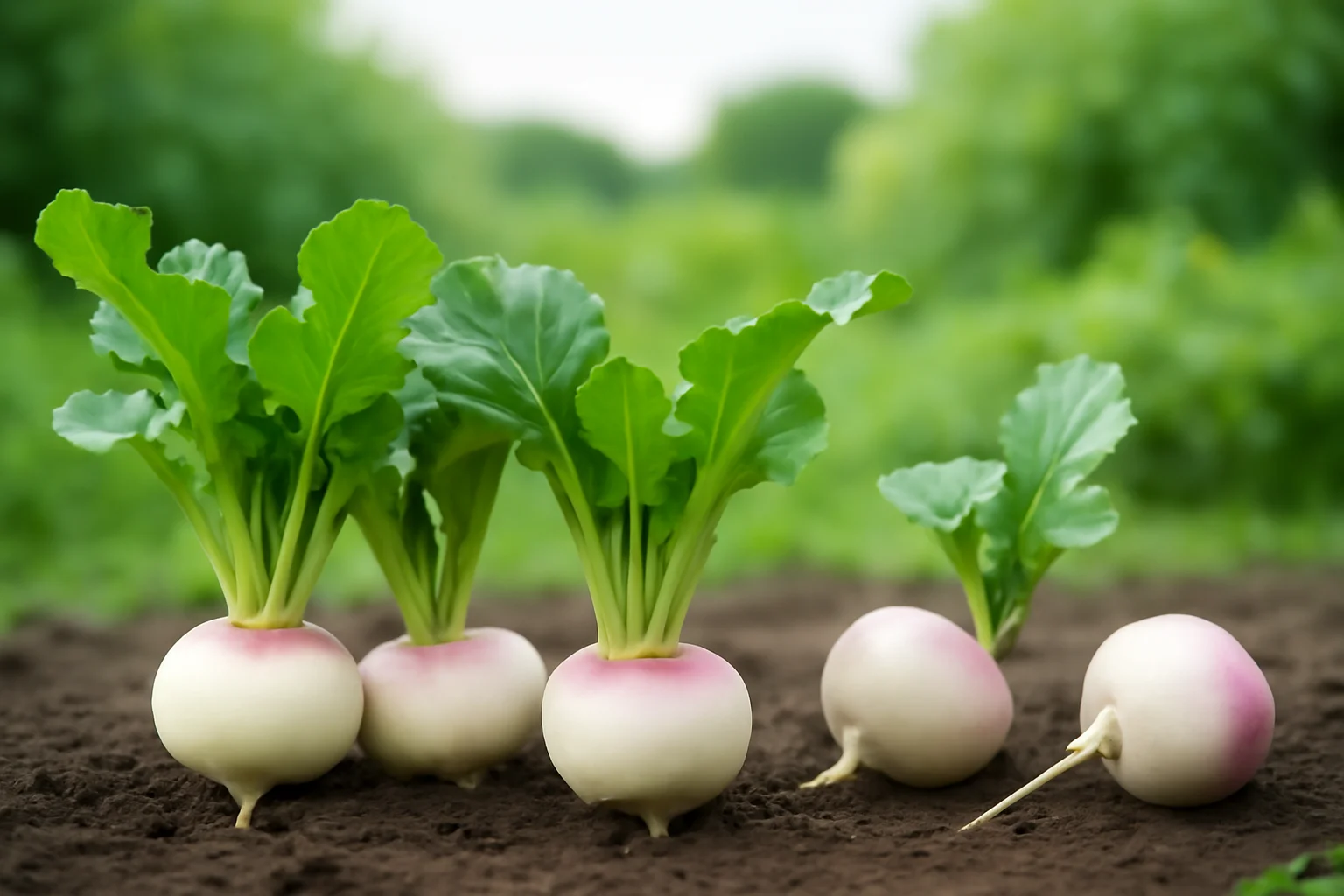
The beneficial effects of turnips on our health and nutrition
The swede, also known as rutabaga, is a vegetable that belongs to the cruciferous family. It has long been a popular ingredient in our country, favored by many in various dishes. The swede is not only tasty but also extremely nutritious, packed with vitamins, minerals, and fiber. People often forget about it, yet the swede is incredibly rich in nutrients that contribute to maintaining health.
The swede can be used in many ways in the kitchen, whether in soups, stews, or salads. It is worth incorporating it regularly into our diet, as we can prepare delicious and filling dishes from it, in addition to the nutrients it contains. Furthermore, the swede is favorable from a sustainability perspective, as it is easy to grow and has a long shelf life. Below, we will explore the beneficial effects of the swede in more detail, which can help maintain our health and enrich our nutrition.
Nutrient-Rich Source
The nutrient content of the swede is outstanding, as it is rich in vitamins and minerals. It is an excellent source of vitamin C, which, with its antioxidant properties, contributes to strengthening the immune system. Vitamin C helps increase the body’s defenses and maintain skin health. Additionally, the swede contains B vitamins, especially B6, which plays an important role in metabolism and energy production in cells.
The swede is also rich in minerals, such as potassium, calcium, and magnesium. Potassium helps regulate blood pressure and maintain heart health. Calcium is essential for the health of bones and teeth, while magnesium contributes to muscle function and the normal functioning of the nervous system.
Moreover, the swede is an excellent source of fiber, which helps improve digestion and maintain a healthy gut flora. Fiber promotes regular bowel movements, which can reduce the risk of constipation. A fiber-rich diet also contributes to an increased feeling of fullness, helping to control body weight.
The swede is a low-calorie vegetable, making it an ideal choice for those on a diet. Since it contains many nutrients, it provides the necessary vitamins and minerals for the body with fewer calories. Therefore, it is worth consuming swede regularly, as it offers not only nourishment but also a healthy alternative in daily meals.
Supporting the Immune System
The swede plays a significant role in supporting the immune system. The vitamin C it contains, as mentioned earlier, is a powerful antioxidant that helps neutralize free radicals. By defending against the harmful effects of free radicals, it contributes to the protection of cells, thus potentially reducing the risk of chronic diseases.
Consuming swede is particularly recommended during the cold months when infectious diseases like influenza and colds are more prevalent. Adequate vitamin C intake can help boost the body’s defenses, thereby reducing the likelihood of illness.
Additionally, the swede contains other vitamins, such as vitamin A, which also plays an important role in the functioning of the immune system. Vitamin A contributes to the health of mucous membranes, which serve as the primary line of defense against pathogens.
Furthermore, the swede has anti-inflammatory properties, which can also help strengthen the immune system. Reducing inflammation can help mitigate the risk of various chronic diseases, such as cardiovascular problems.
By regularly consuming swede, we can not only support our immune system but also contribute to the long-term maintenance of our health. It is worth incorporating it into our diet so that the beneficial effects it contains can take effect.
Relieving Digestive Problems
The beneficial effects of swede on digestion are remarkable. The health of the digestive system is essential for our well-being, and regular consumption of swede can help alleviate various digestive issues.
The high fiber content of the swede contributes to stimulating bowel movements, which helps prevent constipation. The fiber also supports the health of gut flora by nourishing beneficial bacteria in the intestines. The balance of gut flora is crucial for the efficiency of digestion, so consuming swede can positively impact the functioning of the digestive system.
Additionally, the swede has natural detoxifying properties, as it aids in the removal of toxins from the body. The antioxidants it contains contribute to reducing cell damage and help maintain liver health. The liver plays an important role in detoxification, so regular consumption of swede can support this process.
Moreover, the swede is hydrating due to its high water content, which also positively affects digestion. Proper hydration is essential for the optimal functioning of the digestive system and facilitates nutrient absorption.
Overall, consuming swede is not only tasty but can also help alleviate digestive problems and maintain the overall health of gut flora. It is worth incorporating this nutritious vegetable into our diet to take advantage of its beneficial effects.
How to Consume Swede?
The swede can be used in many ways in the kitchen, making it easy to incorporate into our daily diet. We can prepare delicious soups, stews, salads, or even side dishes from it. Its taste is slightly sweet, which pairs well with other vegetables and spices.
The swede is most commonly consumed boiled or steamed. Cooking can slightly reduce its nutrient content, so it is advisable to cook it for the shortest time possible to preserve the vitamins. Steaming can help retain the flavor and nutrients of the swede, making it one of the best methods for its preparation.
It also works great in salads. Cooked swede can be sliced, grated, or diced and served with fresh vegetables like carrots, cucumbers, or beets. It can be flavored with various dressings, such as yogurt or olive oil vinaigrette, to enhance its taste.
We can also prepare the swede by roasting it. Slice it, season with salt, pepper, and olive oil, then bake it in the oven. This results in a crispy and flavorful side dish that pairs excellently with meat dishes.
Additionally, the swede is great for making purees. Boil it, then blend it with a little butter and salt for a creamy and delicious side dish.
In conclusion, the swede is an incredibly versatile and tasty vegetable that can easily be incorporated into our diet in various forms. It is worth experimenting with it, as its consumption comes with numerous health benefits.
**Note:** This article does not constitute medical advice. For health issues, please consult a doctor or specialist.