Hives and Itching: Causes, Treatment Options, and Prevention
The hives and itching are common skin problems that complicate the lives of many people. The skin is one of our most important lines of defense, protecting against various external factors; however, symptoms like hives or itching can sometimes appear. These issues can arise from various causes, including allergic reactions, stress, or even skin irritation. It is important to understand that hives and itching not only cause physical discomfort but can also have psychological effects on the affected individuals.
In dermatology, hives refer to sudden, itchy welts on the skin, which are usually reddish in color and can vary in size. Itching is a subjective sensation indicating skin irritation and is often a consequence of skin inflammation or an allergic reaction. Since these problems are often intertwined, it is crucial to understand them thoroughly to address them effectively.
Hives: Symptoms and Causes
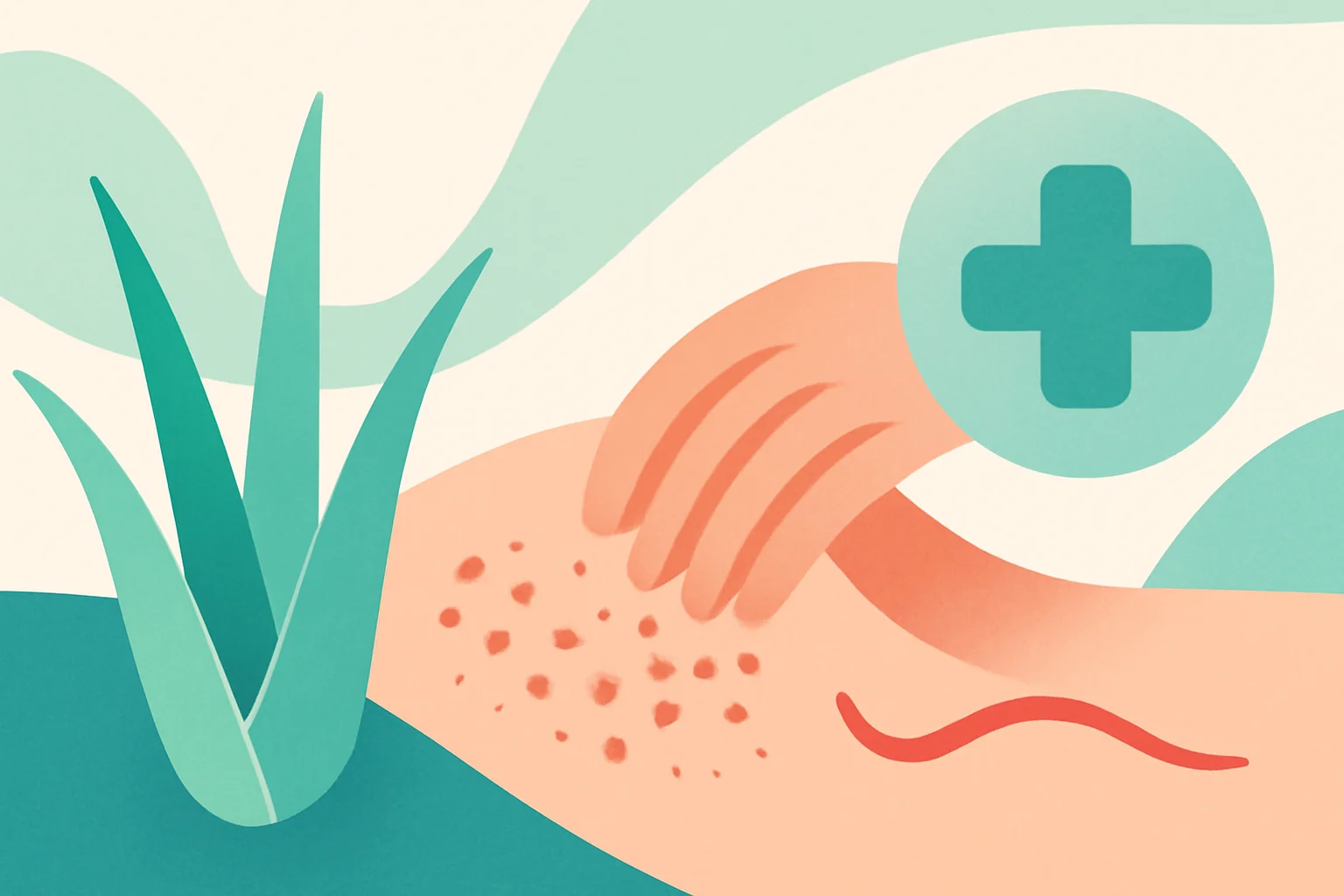
Hives, also known as urticaria, appear suddenly as itchy, red, swollen spots on the skin. These spots can vary in size and often cluster together. Hives are usually the result of inflammation in the upper layer of the skin, caused by the release of a compound called histamine. Histamine is part of the body’s immune response and promotes inflammatory reactions.
The causes of hives can be diverse. Allergic reactions, such as to foods, medications, or insect bites, are common triggers. Additionally, stress, physical stimuli such as hot or cold temperatures, and certain diseases can also cause the appearance of hives.
It is important to mention that hives can manifest in both acute and chronic forms. Acute hives typically last from a few hours to a few days, while the chronic form can persist for more than six weeks. The causes of chronic hives are often difficult to identify, and in many cases, the triggering factor remains unknown.
The diagnosis of hives is generally based on a dermatological examination, where the doctor asks the patient about symptoms and possible triggers. The goal of treatment is to alleviate symptoms and eliminate the underlying causes. Antihistamines and corticosteroids are commonly used to treat the symptoms.
Itching: Symptoms and Causes
Itching is a subjective sensation indicating skin irritation and can arise from various causes. Itching usually indicates a skin disease, allergic reaction, or irritation. It can be generalized, meaning it occurs in multiple areas of the body, or localized, where it is experienced only in a specific area.
Factors that can trigger itching include skin diseases such as eczema, psoriasis, or fungal infections. Allergic reactions to pollen, pet dander, or foods can also cause itching. Additionally, dry skin, contact with irritants, or even taking certain medications can lead to itching.
To diagnose itching, the dermatologist takes a thorough medical history and performs a physical examination. The goal of treatment is to address the underlying causes and alleviate symptoms. Antihistamines, moisturizing creams, or topical corticosteroids can often help reduce itching.
In some cases, itching may also be attributed to psychological factors, such as stress or anxiety. In such cases, psychological support and stress management techniques can be important in alleviating symptoms.
How to Treat Hives and Itching?
The treatment of hives and itching largely depends on their causes and severity. The first step is to identify the triggering factors, as effective treatment relies on knowing what is causing the problem. If it is an allergic reaction, avoiding the allergen is the best solution.
Antihistamines, such as cetirizine or loratadine, are commonly used medications for treating hives and itching. These medications help reduce histamine levels in the body, thereby alleviating symptoms. Corticosteroids, such as hydrocortisone creams, can also be effective in reducing inflammation.
It is important to emphasize that moisturizing the skin plays a crucial role in the treatment process. Dry skin can exacerbate itching, so it is advisable to regularly use moisturizing creams. Additionally, bathing in lukewarm water instead of hot water, as well as minimizing contact with irritating substances, can also aid in healing.
In cases of stress, relaxation techniques such as meditation or breathing exercises can also be beneficial in alleviating symptoms. According to medical literature, psychological support and stress management strategies are important components of treating itching.
In addition to home treatments, medical assistance may be necessary, especially in chronic or severe cases. A dermatologist’s examination can help establish the correct diagnosis and select the most appropriate treatment.
—
This article does not constitute medical advice. For health issues, consult a doctor and follow the recommendations of a professional.