Warts and Calluses: Symptoms, Causes, and Treatment Options
The health of the skin is exceptionally important, as it is our largest organ and is constantly exposed to environmental factors. Various skin changes, such as warts and calluses, can often cause concern. These skin problems can disturb people not only aesthetically but can also cause pain or discomfort. Warts, which are of viral origin, are mostly contagious and can appear in various forms, while calluses, which are generally the result of mechanical stress on the skin, primarily develop in the affected areas.
Understanding the condition of the skin and correctly identifying problems is essential for applying appropriate treatment methods. To recognize calluses and warts, it is important to know their characteristics and what distinguishes them from each other. Below, we will examine in more detail the differences between the two changes, as well as the treatment options and the importance of prevention.
Warts: Symptoms and Causes
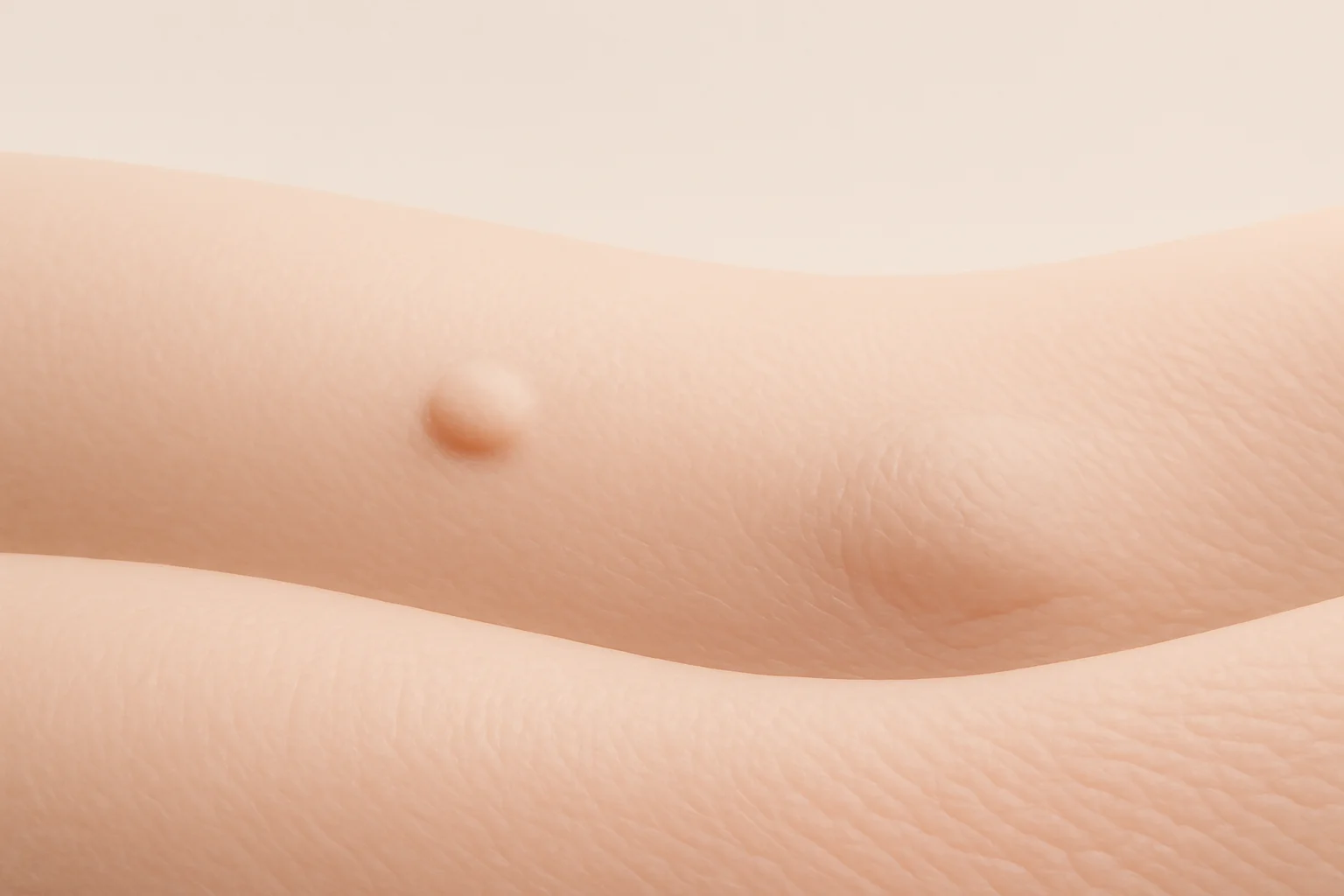
Warts are benign tumors that appear on the surface of the skin, caused by the human papillomavirus (HPV). These viruses penetrate the upper layers of the skin and stimulate cell proliferation, ultimately leading to the formation of warts. Warts can vary in size and shape, ranging from smooth, pea-sized lesions to larger, rough-surfaced warts. They often occur on the hands, feet, and around the nails.
The appearance of warts can be influenced by various factors, such as a weakened immune system, stress, or skin injuries. Young people and children are particularly prone to developing warts, as their immune systems are still developing, making it easier for HPV to infect them. Warts are contagious, so it is important to avoid direct contact with others who have warts.
Warts usually do not cause pain, but one may experience itching or irritation in the affected area. In most cases, warts can disappear on their own, but if they are bothersome or painful, it is advisable to consult a doctor. Medical treatments may include freezing, laser treatment, or the use of topical medications.
Calluses: Why Do They Develop?
Calluses, also known as hyperkeratosis, are changes that signify thickening of the skin, and they generally develop as a result of mechanical stress on the skin. These hard, rough-surfaced areas are typically found on the soles of the feet, heels, or hands, where the skin is subjected to persistent pressure or friction.
The most common causes of callus formation include wearing uncomfortable shoes, incorrect positioning of the feet, or frequent repetitive movements, such as friction during sports activities. Calluses develop as a protective response to safeguard the skin from further injuries. Although these thickened areas are generally not painful, in more severe cases, they can cause pain and discomfort, especially if the callus begins to crack.
Treatment for calluses can often be done at home. Regular foot care, such as moisturizing the skin and removing hard areas, can help alleviate symptoms. Keratolytic preparations, which assist in the shedding of the upper layer of skin, can also be effective. If a callus becomes painful or does not respond to home treatments, it is advisable to seek professional help.
Treatment Options for Warts and Calluses
The treatment of warts and calluses requires different approaches. For warts, the most common treatment methods include freezing, where the wart is frozen with liquid nitrogen, destroying the virus and surrounding tissues. Laser treatment is also popular, as it is a quick and effective way to remove warts.
Topical medications are available that contain acids and help in the removal of warts. These preparations are usually applied as part of home treatment and require regular use. Professionals often recommend waiting, as warts can often disappear on their own.
The treatment of calluses generally focuses on skin care and reducing mechanical irritation. Improving the comfort of footwear, regular foot care, and moisturizing the skin can all contribute to eliminating calluses. The use of keratolytic preparations, which assist in the shedding of the upper layer of skin, can also be effective.
It is important to note that the choice of treatment always depends on the type and severity of the change. It is best for the affected individual to consult a doctor or dermatologist to choose the most appropriate and safest treatment method.
Prevention: How Can We Prevent the Development of Warts and Calluses?
To prevent warts and calluses, several steps can be taken. Protecting the skin and establishing proper hygiene habits are essential to avoid skin problems. In the case of warts, it is advisable to avoid direct contact with the skin of others who have warts and not to share towels, shoes, or other personal items.
To prevent calluses, it is important to choose comfortable footwear that provides adequate support for our feet. During sports activities, wearing special socks that protect the skin can help reduce friction. During foot care, moisturizing the skin and regular pedicures can also contribute to maintaining skin health.
Regular medical check-ups can also help in the early detection of skin problems. During skin examinations performed by professionals, dermatologists can provide advice on prevention and the most appropriate treatment options. Monitoring the condition of the skin and proper skin care are essential to avoid warts and calluses.
To maintain the health of the skin, it is important to pay attention to the signals from our bodies, and if any changes are noticed, do not hesitate to consult a doctor.
Attention: This article does not constitute medical advice. Always consult a doctor for health issues!