Causes of Choking and Coughing: How Can We Prevent Them?
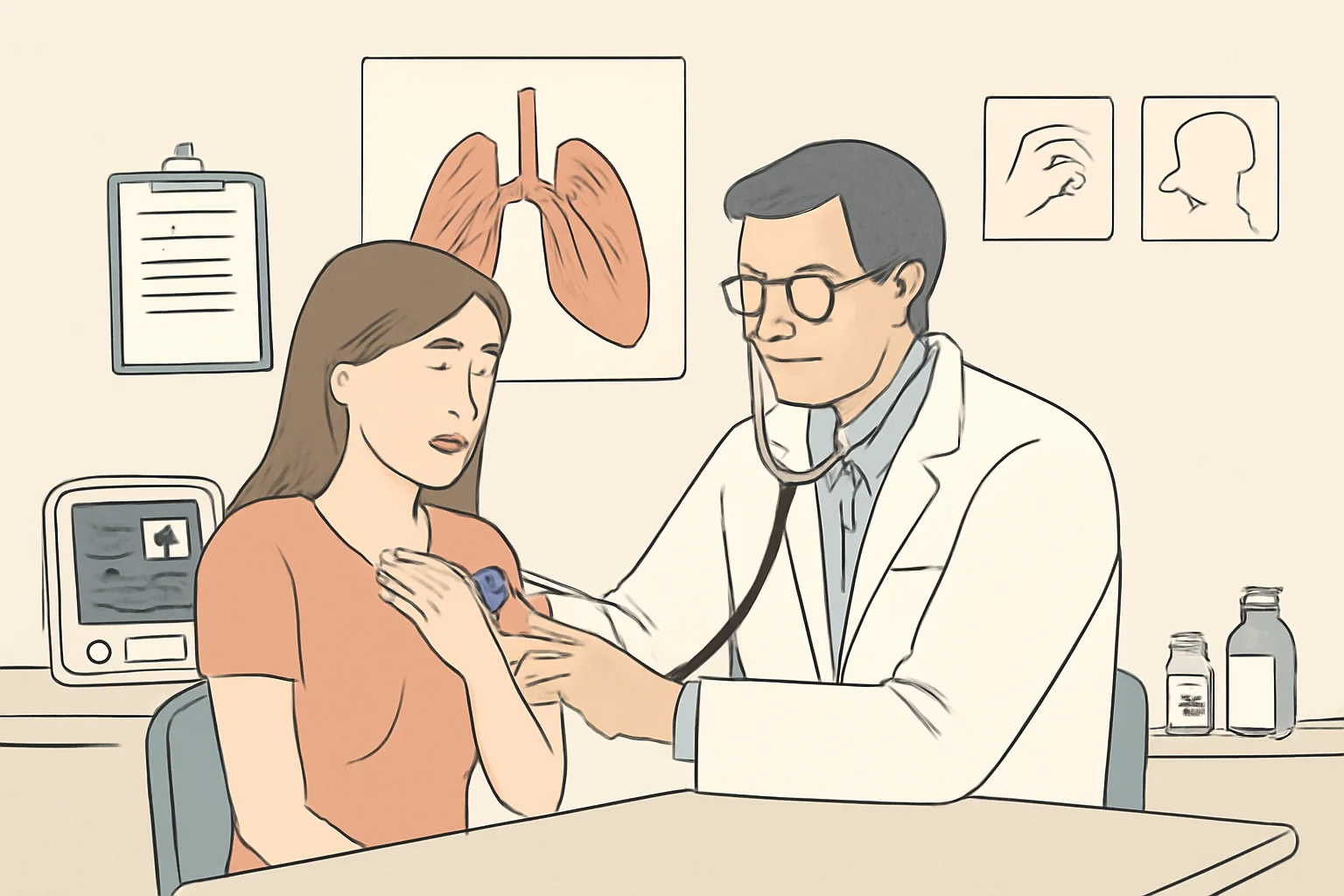
The symptoms of choking and coughing are often confused, despite the different causes and mechanisms behind them. These respiratory issues are not only uncomfortable but can also pose serious health risks, making it important to understand the processes involved. The body initiates various reactions to protect the airways when foreign substances or irritants enter them. Coughing is a reflex that helps remove obstructive materials from the airways, while choking refers to the complete or partial obstruction of breathing, which can lead to life-threatening situations.
Coughing and choking can often be consequences of different diseases or conditions, such as asthma, allergies, respiratory infections, or the inhalation of foreign objects. To ensure proper diagnosis and treatment, it is essential to be informed about the background of the symptoms and possible solutions. Understanding and awareness can help us recognize problems in a timely manner and take appropriate steps for their treatment.
The Causes and Types of Coughing
Coughing is a natural reflex that helps clear the airways of mucus, irritants, or foreign objects. There can be numerous causes, and the type of cough can vary. In medical literature, coughing can be classified as acute or chronic. Acute cough typically starts suddenly and lasts for a short period, often resulting from respiratory infections like the common cold or influenza. In contrast, chronic cough lasts for at least three weeks and often occurs as a result of underlying conditions such as asthma, chronic bronchitis, or reflux.
Coughing can be accompanied by various symptoms, such as fever, sore throat, or difficulty breathing. The type of cough is also an important diagnostic factor. A dry cough, which does not produce mucus, often arises from allergic reactions or the inhalation of irritants. Conversely, productive cough involves the production of mucus that needs to be expelled, indicating possible respiratory infections.
The treatment for coughing depends on the underlying cause. If the cough is due to a viral infection, rest and hydration, along with medications to alleviate symptoms, such as cough suppressants or expectorants, are recommended. If the cough is a result of allergies or asthma, antihistamines or inhalers may be necessary. It is important to consult a doctor for an accurate diagnosis and treatment in the case of any persistent or severe cough.
Treatment and Prevention of Choking
Choking is a serious condition that may require immediate medical intervention. The most common cause of choking is the obstruction of the airways by a foreign object or food, which prevents airflow. In children, it is common for small objects to be swallowed, while in adults, the risk of choking can increase during meals, especially when eating quickly.
Early signs of choking include difficulty breathing, coughing, pale lips and face, and cessation of breathing. If someone is choking, the primary action is to perform the Heimlich maneuver, which can help remove the obstruction. To execute the Heimlich maneuver, the helper stands behind the person, wraps their arms around the waist, and applies strong pressure to the abdomen in an attempt to expel the foreign object.
To prevent choking, it is important to follow some basic rules. During meals, it is advisable to chew slowly and thoroughly, avoiding small-sized foods that can easily get stuck in the airways. Special attention should be paid to children’s meals to avoid accidents. Additionally, it is important to ensure that there are no small objects within reach of children that they could swallow.
If choking is accompanied by other symptoms such as severe pain, dizziness, or loss of consciousness, emergency services should be called immediately. Choking is a serious condition that does not tolerate delays.
Allergies and Respiratory Diseases
Allergies and respiratory diseases are closely linked to the development of coughing and choking. During allergic reactions, the immune system overreacts to certain substances, such as pollen, dust, or pet dander. This reaction causes inflammation in the airways, which can lead to coughing, difficulty breathing, and choking.
Asthma is a chronic disease characterized by inflammation of the airways, often accompanied by coughing, difficulty breathing, and choking. Triggers for asthma attacks can vary, including allergens, respiratory infections, physical activity, or sudden changes in temperature. Asthma is typically treated with inhalers that help dilate the airways and reduce inflammation.
Respiratory infections, such as pneumonia or bronchitis, can also cause coughing and choking. These diseases are usually caused by viral or bacterial infections that may require treatment with antibiotics or antiviral medications. To prevent these issues, it is recommended to receive annual vaccinations, maintain hygiene practices, and avoid smoking.
In the treatment of respiratory diseases and allergies, it is important to identify the underlying causes and apply treatment accordingly. Allergy tests and pulmonary function tests can help establish an accurate diagnosis.
Conclusion
Coughing and choking are two distinct but closely related symptoms that can pose serious health risks. Coughing is a protective reflex that helps remove irritants from the airways, while choking is a life-threatening condition that requires immediate medical intervention. It is essential to be aware of the causes of coughing and choking, as well as the appropriate treatment methods.
In case of any persistent or severe coughing, choking, or difficulty breathing, it is important to consult a doctor, as these symptoms may indicate serious health problems. In case of health issues, always follow the advice of a medical professional and do not attempt to self-diagnose or treat.