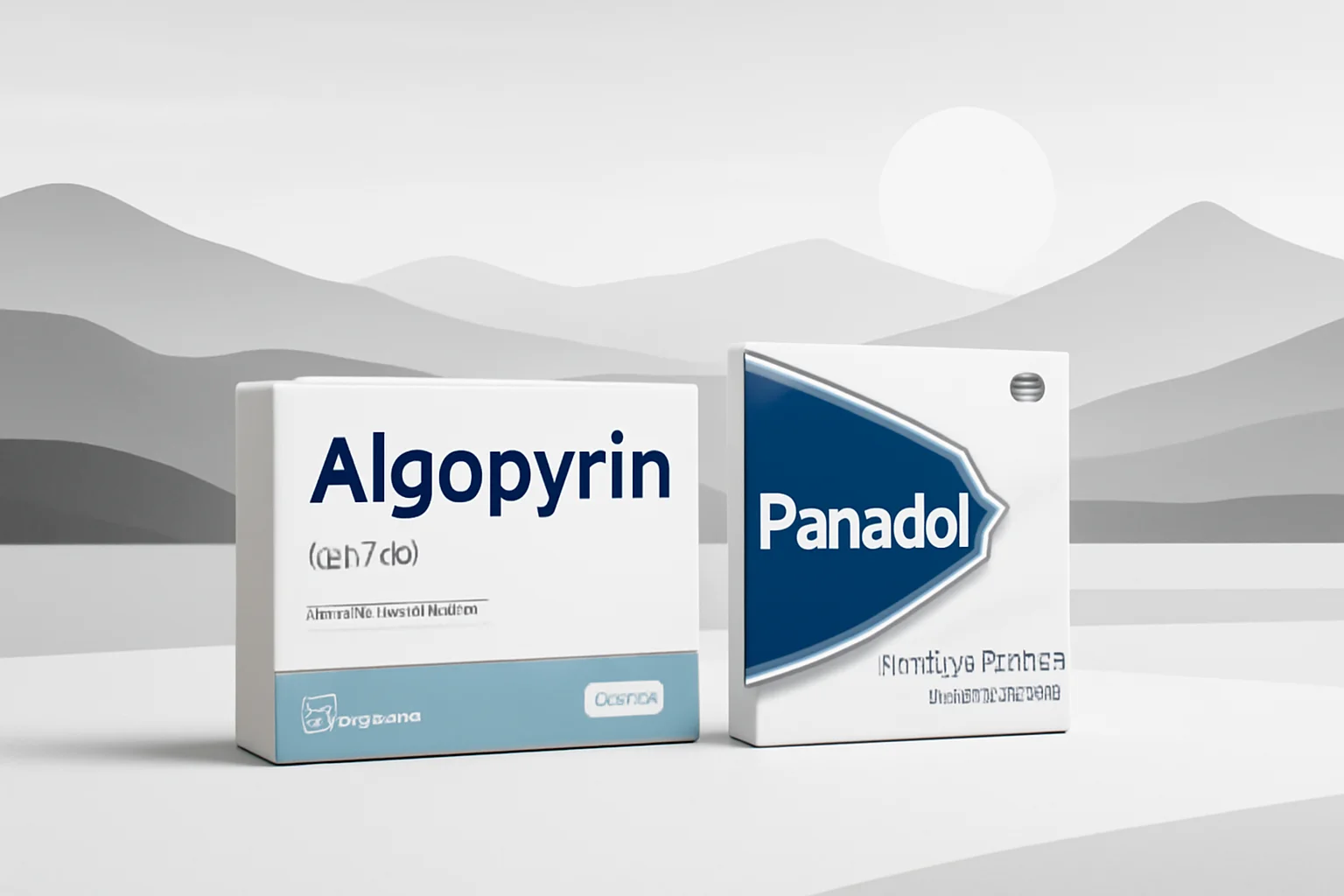
Algopyrin or Panadol: Which is the more effective pain reliever?
The painkillers are an integral part of our daily lives, whether it’s for headaches, muscle pain, or fever. Algopyrin and Panadol are two common medications that often come up when treatment for pain or fever is needed. These medications have different active ingredients, and while both can be effective, the choice depends on usage habits, side effects, and personal preferences. Choosing the right painkiller plays an important role not only in alleviating symptoms but also in the effectiveness of treatment and minimizing possible side effects. For laypeople, making eligibility decisions between different preparations can often be difficult, as there are many alternatives available on the market. The mechanism of action of the medications, the method of application, and the potential side effects all influence the choice. The aim of this article is to provide a clearer picture of the differences between Algopyrin and Panadol, thus aiding informed decision-making.
Algopyrin: Active Ingredient and Mechanism of Action
Algopyrin, also known as metamizole, is a powerful painkiller and antipyretic medication that is widely used for the treatment of various types of pain. The active ingredient metamizole has anti-inflammatory, analgesic, and antipyretic effects, allowing it to effectively alleviate symptoms of fever and pain. Algopyrin acts on the central nervous system, inhibiting pain perception, thus reducing the sensation of pain.
The medication can be particularly useful for severe, acute pains such as postoperative pain, as well as for migraine headaches. Algopyrin is quickly absorbed from the intestine, so its effects appear relatively soon. However, it is important to note that Algopyrin has side effects, such as allergic reactions, blood formation disorders, or even more serious complications.
For these reasons, the use of Algopyrin should be prescribed by a doctor, and it is essential to gather information about potential risks before taking the medication. Algopyrin is not recommended for individuals suffering from certain diseases, such as those with impaired kidney or liver function. Adhering to the dosage recommended by the doctor is crucial for safe use.
Panadol: Active Ingredient and Mechanism of Action
Panadol, which contains paracetamol as its active ingredient, is also a popular painkiller and antipyretic medication. The mechanism of action of paracetamol differs from that of metamizole, as its anti-inflammatory effect is less pronounced. Panadol is primarily used to reduce pain perception and alleviate fever, and in many cases, it is the first choice of painkiller.
The advantage of Panadol is that it is generally well tolerated, and its side effects occur less frequently than those of Algopyrin. However, an overdose of paracetamol can cause severe liver damage, so it is important not to exceed the recommended doses. Panadol can be particularly useful for treating mild to moderate pains, such as headaches, joint pains, and menstrual cramps.
Panadol is available in various forms, such as tablets, suspensions, or suppositories, allowing users to choose the solution that best meets their needs. Different dosages are available for children and adults, making it easier to use the medication across different age groups.
Algopyrin and Panadol: Differences and Similarities
Although both Algopyrin and Panadol have analgesic effects, there are several differences between the two medications that may influence the choice. One of the most important differences is the active ingredient: while Algopyrin contains metamizole, Panadol contains paracetamol. This difference is also reflected in the mechanism of action. Algopyrin has a stronger analgesic effect and is more recommended for treating severe pains.
In terms of side effects, the use of Algopyrin may carry more serious risks, such as the risk of allergic reactions and blood formation disorders. In contrast, Panadol is generally better tolerated, but an overdose can lead to liver damage. Therefore, it is important for the patient to be informed about the potential risks and to take the medication based on medical advice.
The method of use can also differ: while Algopyrin is often administered in injection form in a hospital setting, Panadol is generally available in the form of tablets or suspensions, simplifying daily use. Additionally, Panadol is more widely available and can often be purchased over the counter, whereas Algopyrin is typically used under medical supervision.
What to Consider When Making a Choice?
When selecting the appropriate painkiller, several factors should be considered. The first and most important is the type of pain being faced. If it is mild or moderate pain, such as a headache or muscle pain, Panadol may be the right choice. However, if stronger pains, such as postoperative pain, need to be treated, Algopyrin may be a more effective solution.
Side effects and risks are also important considerations. Since the use of Algopyrin may involve more serious side effects, it is advisable to seek medical consultation before using it, especially if the patient is taking other medications or has chronic diseases. In the case of Panadol, side effects occur less frequently as long as the safe dosage is adhered to.
Furthermore, personal preferences can also influence the choice. Some people may tolerate certain preparations better, while others may have different experiences regarding effectiveness. Doctors often recommend alternating medications to achieve the best results.
Finally, it is also worth noting the availability of the medications. Panadol is often available without a prescription, while Algopyrin requires medical advice. When making a choice, it is important for the patient to be informed about the options and to seek medical advice if necessary.
**Warning:** This article does not constitute medical advice. Always consult your doctor for health issues!