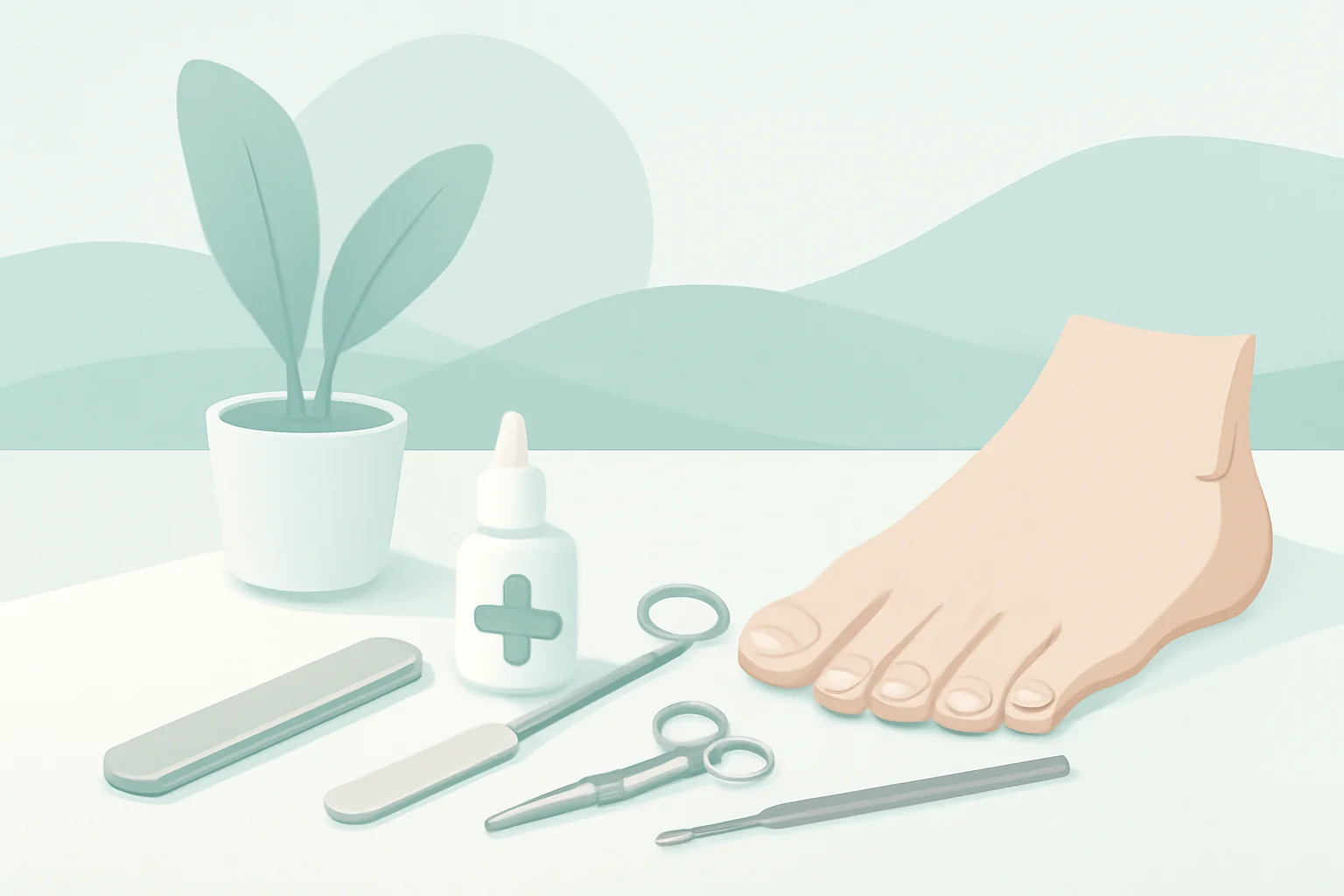
Effective Solutions for Treating Athlete’s Foot and Nail Fungus
A foot fungus and nail fungus are two common issues that affect many people in their daily lives. These fungal infections can develop for various reasons, and although they are not life-threatening, they can cause significant discomfort and aesthetic problems. Fungi typically thrive in moist and warm environments, making the use of footwear, swimming pools, saunas, or public showers conducive to infections. Foot fungal infections usually manifest between the toes, on the soles, and on the nails, while nail fungus attacks the nail plate and can cause characteristic changes.
The symptoms of foot fungus and nail fungus are often similar, but their treatment and prevention require different approaches. People often do not realize they are affected, as symptoms develop gradually, and many tend to ignore early signs. It is essential to recognize the problem in time and take appropriate steps for recovery. Additionally, prevention plays a key role, as fungal infections can easily recur if hygiene rules are not observed.
Foot Fungus: Symptoms and Causes
Foot fungus, also known as tinea pedis, is a fungal infection of the skin on the foot that most commonly develops between the toes. Symptoms of foot fungus include itching, redness, peeling, and cracked skin. The infection is particularly common during the summer months when warm and humid weather favors fungal growth. Foot fungus is primarily caused by fungi from the Trichophyton genus, which are widely available in the environment.
There can be several causes for the development of foot fungus. The most common factors include excessive sweating, wearing closed shoes, and being in public places such as swimming pools and saunas. Infections can also spread easily through direct contact, such as sharing towels or footwear with others. A weakened immune system, diabetes, and poor hygiene habits can increase the risk of foot fungus.
Treatment for foot fungus typically involves topical antifungal ointments or creams, but in more severe cases, oral medications may be necessary. During treatment, it is important to keep the feet dry and avoid wearing closed shoes to prevent fungi from finding a favorable environment for reproduction. For prevention, it is advisable to pay attention to foot hygiene, regularly change socks, and wear open shoes during warm months whenever possible.
Nail Fungus: Symptoms and Treatment Options
Nail fungus, also known as onychomycosis, is a fungal infection of the nail plate that usually appears on the toes but can also occur on the hands. Symptoms of nail fungus include changes in the color of the nail, thickening of the nail, cracking or loosening of the nail, and inflammation of the skin under the nail. The infection often remains unnoticed initially, but as the fungus spreads, the appearance of the nail becomes increasingly concerning.
The causes of nail fungus are similar to those mentioned for foot fungus, but risk factors here include nail injuries, a weakened immune system, and diabetes. The spread of nail fungus is often slow, and treatment can be time-consuming. In addition to using antifungal agents, proper nail care, such as trimming and cleaning the nails, is also important.
Nail fungus treatment typically involves topical antifungal lacquer or oral medications. The duration of treatment varies and can take several months due to the slow growth of nails. Additionally, for prevention, it is recommended to regularly check the feet and nails, maintain proper foot hygiene, and use more open footwear instead of closed shoes.
Prevention Tips: How to Protect Our Feet from Fungal Infections
To prevent foot and nail fungal infections, it is important to consciously pay attention to the hygiene and health of our feet. The first step is regular cleaning, which includes thoroughly washing and drying the feet, paying special attention to the areas between the toes where fungi can easily settle.
In addition, it is advisable to wear socks that wick moisture away, such as those made of cotton or bamboo. When wearing closed shoes, choose breathable models, and try not to wear the same shoes for several days in a row. During the summer months, when warmth and humidity favor fungal infections, it is wise to wear open shoes to allow the feet to breathe.
When in public places, such as swimming pools or saunas, use flip-flops to prevent the spread of fungal infections. If you already experience symptoms of foot fungus or nail fungus, do not delay treatment, as early intervention can help resolve the issue more quickly.
Proper foot care, adherence to hygiene rules, and early detection of fungal infections play a key role in preventing foot and nail fungi. These small steps can significantly reduce the risk of infections and contribute to maintaining the health of our feet.
Warning: This article does not constitute medical advice. Always consult a doctor for health issues.